Schools encouraged to advance conservation education through leadership program, equipment grants
ON 03-10-2026

LITTLE ROCK — The Arkansas Game and Fish Commission is looking for the next class of schools to participate in its conservation and outdoor recreation education programs and earn the status as one of Arkansas’s Schools of Conservation Leadership.
Arkansas educators understand that a complete education goes beyond the core curriculum. Many AGFC programs provide predesigned lesson plans that enable teachers to meet all state education standards while simultaneously offering students a rich, well-rounded classroom experience focused on conservation education.
In addition to teaching materials, AGFC professionals provide teachers interested in working with these programs with certified professional development courses to aid in implementing and adapting the concepts of each program into their classroom. Many of these educator courses have been developed with the help of the AGFC’s Teacher Leader Council, a rotating group of educators with decades of experience in introducing youth to the outdoors.
“Becoming a School of Conservation Leadership is an extension of all these great programs and initiatives offered through the AGFC, sort of a next step where students become immersed in the outdoors throughout their school experience,” Derek Ratchford, Arkansas Outdoor Education Manager for the AGFC, said. “In addition to all the benefits of those programs, schools that qualify for this designation will have the opportunity to receive additional grants for equipment and supplies to expand their students’ learning journey in programs we offer.”
According to Ratchford, this is the third recruiting opportunity for schools to become a School of Conservation Leadership. The first group was recruited during the 2024-25 school year, with 13 schools completing the requirements for the prestigious designation. A group about twice the size of the first is currently working through the requirements for the designation during this school year, and Ratchford is anticipating even more growth in the program during this application period.
“We saw a 200 percent increase in enrollment from cohort one to cohort two, and we fully anticipate that again this year,” Ratchford said.
The enrollment isn’t all that’s evolving with the program. Many changes are being implemented to adapt the program to new schools and new initiatives from the AGFC’s Education Division.
“What I love most about the program is that it is built on flexibility,” Ratchford said. “Every school has unique needs, and that is also what makes education so effective. Schools know their students and their communities best. At the same time, the Arkansas Outdoor Education Initiative is growing, and more things are coming to support teaching and learning across this state.”

The first notable change is the addition of mentor schools to help guide recruits and give them a good expectation of what challenges they may face as well as how they overcame those hurdles.
“These are the schools that already earned the designation and have agreed to pair up with the new cohort,” Ratchford said. “I am really excited to see how this builds relationships between schools within different regions of the state.”
Another major change to the program is the requirement for schools to participate in conservation-based competitions at the AGFC’s Generation Conservation Summit. The inaugural Generation Conservation Summit presented by Entergy brought thousands of Arkansas students to Hot Springs through regional competitions last September and a statewide showcase of conservation-based events and learning opportunities for students from grades K-12 in November.
“The Generation Conservation Summit requirement can be completed through classroom-based pre-competitions, one of our four regional competition locations, or in-person at our summit,” Ratchford said. “Schools will also be able to start a Generation Conservation Club at their school to fulfill one of their requirements, and I see this as a fantastic launchpad to continue conservation programs at the school outside of competitions and designations.”
Another major development tied to the improved curriculum effort is the creation of a conservation career pathway for high school students. Career pathways in high schools are similar to “majors” in colleges, enabling students to focus their studies on the courses and extracurricular activities that will best prepare them for life beyond graduation. Many high schools already offer pathways for careers in engineering, agriculture, nursing and other fields. While it is not currently a requirement for a high school to earn its certification as a School of Conservation Leadership, this new pathway opportunity will give conservation- and outdoors-minded students a head start in a path toward a career in the outdoors.
“Conservation is an ever-changing field of study, and we need every generation to play a part in enhancing all that The Natural State has to offer from our waterways, to our forests, to the Delta,” Ratchford said. “By expanding pathways to include conservation careers, we’re helping that next generation on their first steps in that journey.”
Visit www.agfc.com/
####
CUTLINES:
CLASSROOM
Students in the Norfork School District participated in the AGFC Fishing in The Natural State Program as part of their journey to become a School of Conservation Leadership. AGFC photo.
GREENHOUSE
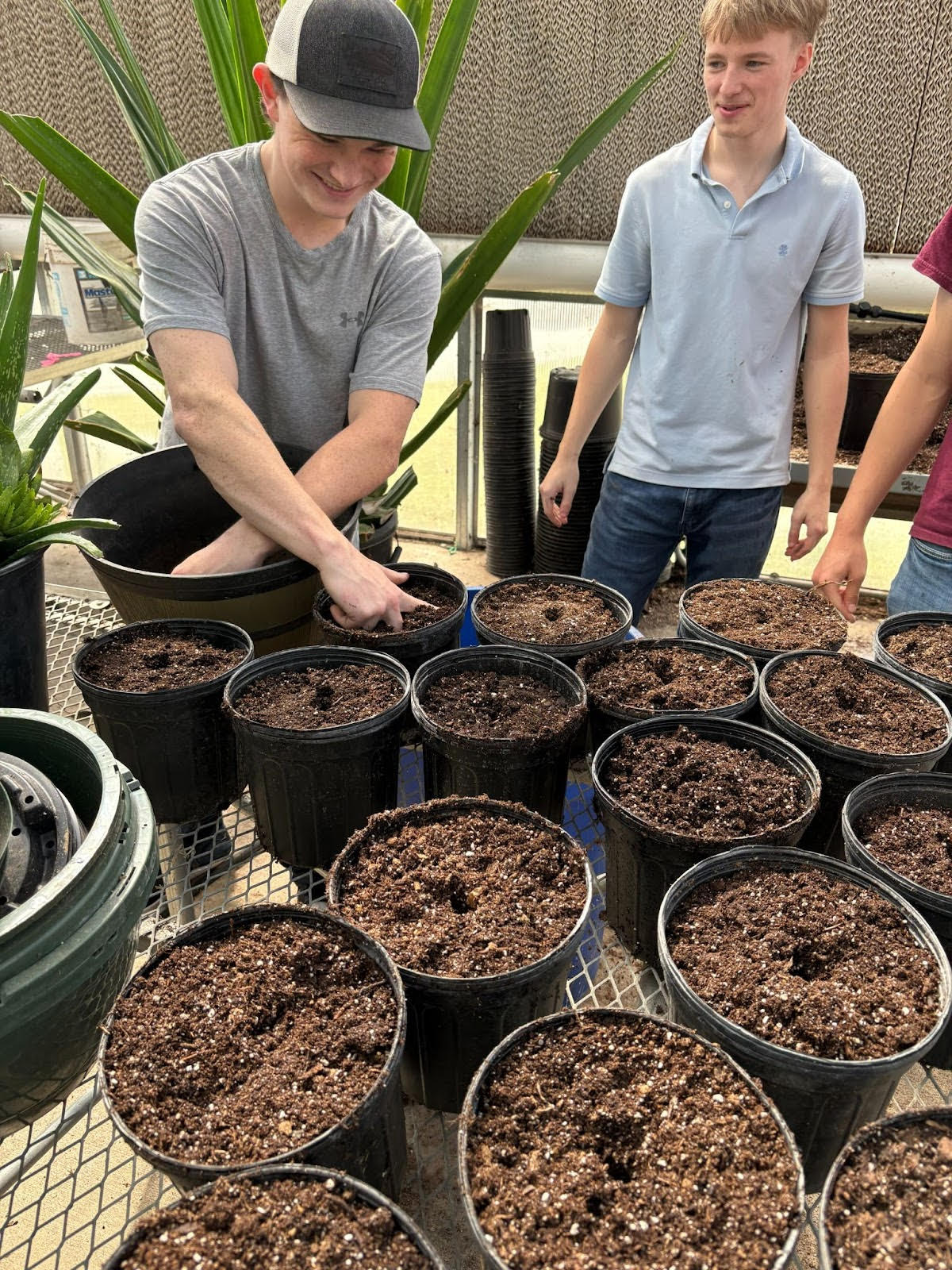
Valley Springs students planted and raised Ozark chinquapins as part of their quest to join the School of Conservation Leadership. AGFC photo.
CASTING
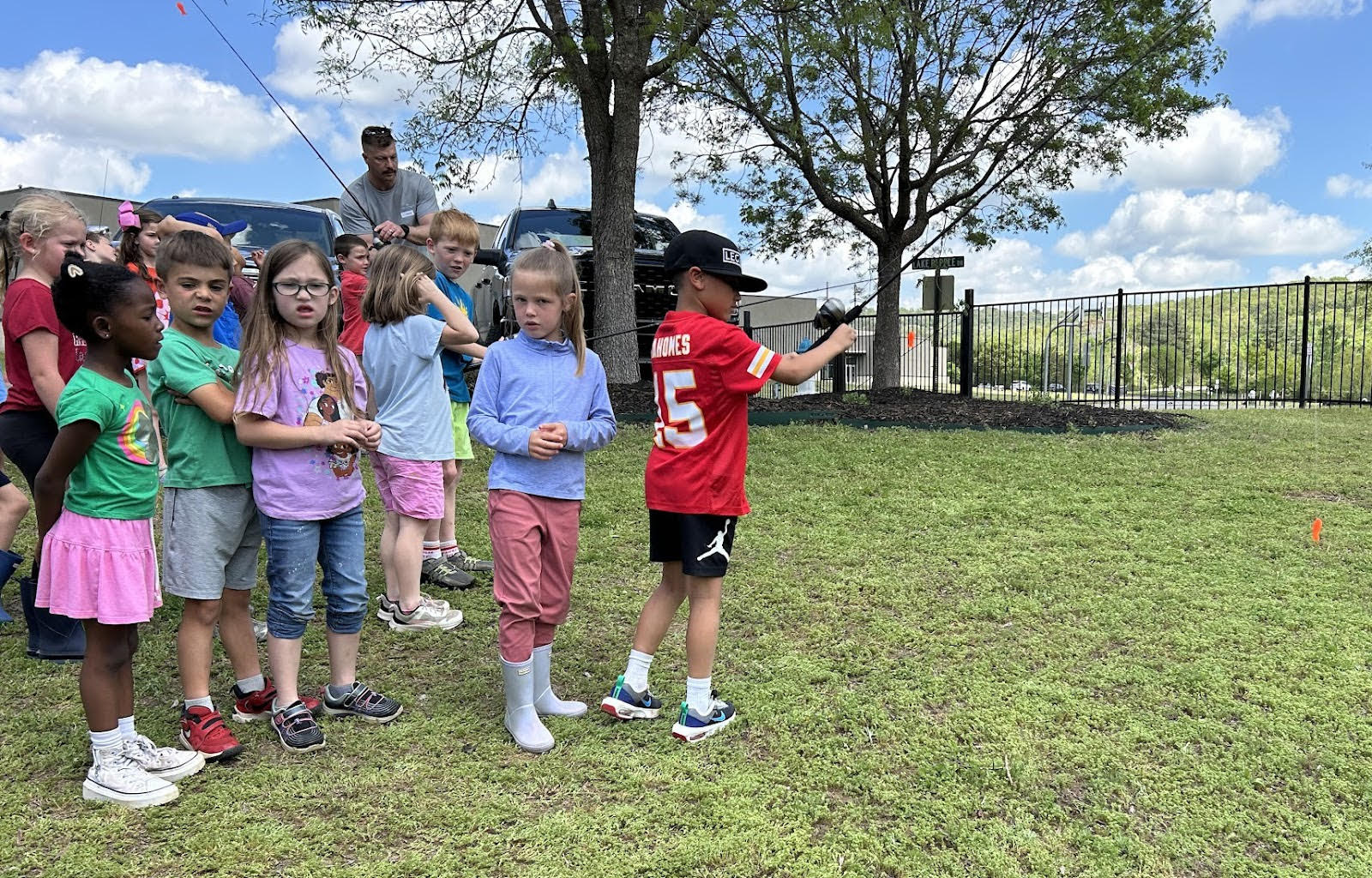
Happy Hollow Elementary held casting contests and other fishing activities throughout the school year. AGFC photo.
Recent News

World Champion Squirrel Cook Off Saturday
Sep. 11, 2026
Arkansas Wildlife Weekly Fishing Report
Sep. 10, 2026
Subscribe to Our Weekly Newsletter E-mails
Don’t miss another issue. Sign up now to receive the AGFC Wildlife Weekly Newsletter in your mailbox every Wednesday afternoon (Waterfowl Reports are published weekly during waterfowl season and periodically outside the season). Fishing Reports arrive on Thursdays. Fill in the following fields and hit submit. Thanks, and welcome!