Sharing the Water Safely as The Natural State Heats Up
ON 05-20-2026
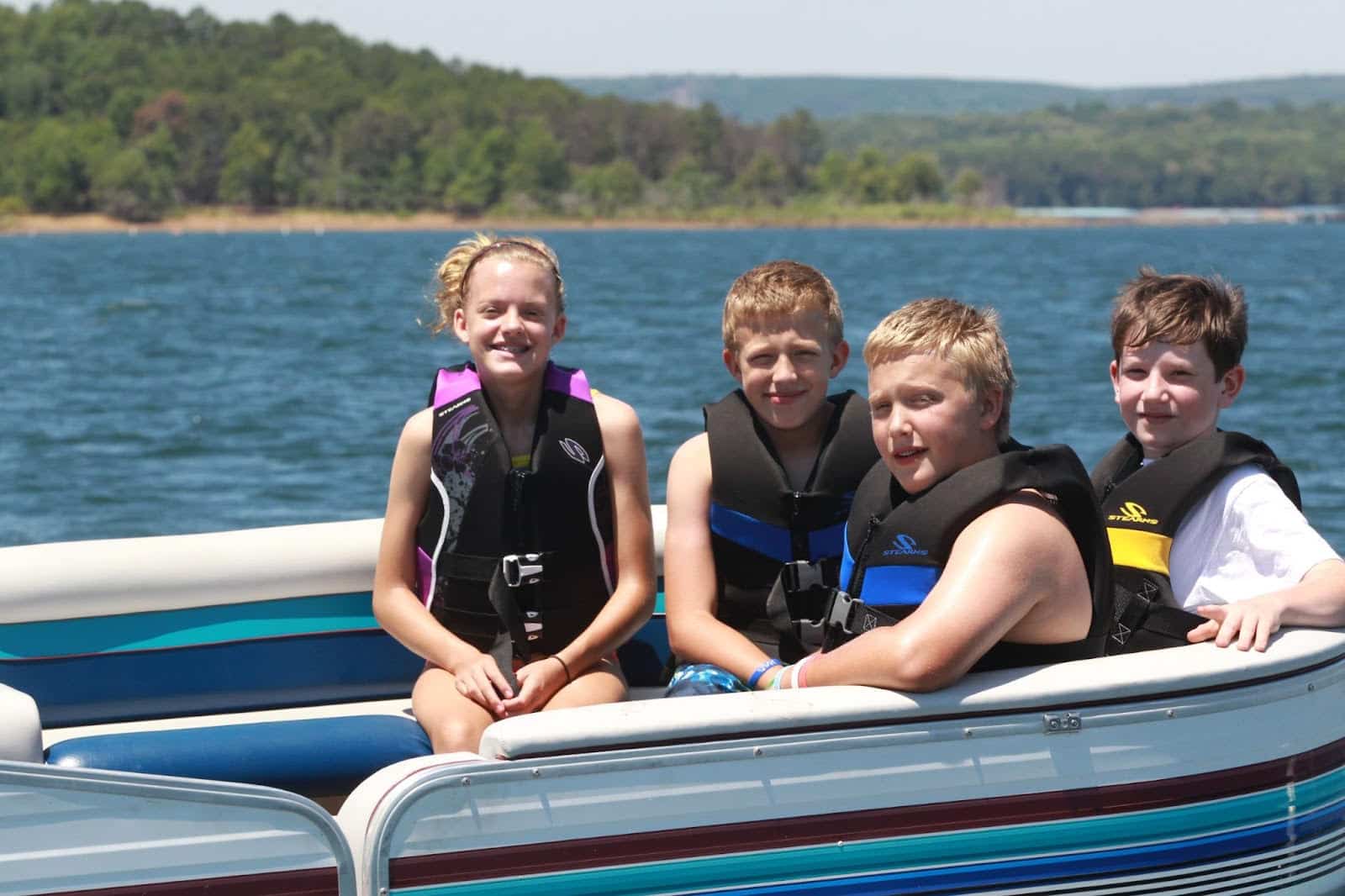
As Memorial Day draws near, heralding the transition from spring to summer, anglers and boaters across The Natural State are preparing for the upcoming “lake” season. Soon, our reservoirs will be filled with a variety of boats and personal watercraft. The Arkansas Game and Fish Commission wants to remind all boaters that proper preparation and a little patience go a long way toward ensuring a safe and enjoyable experience for everyone.
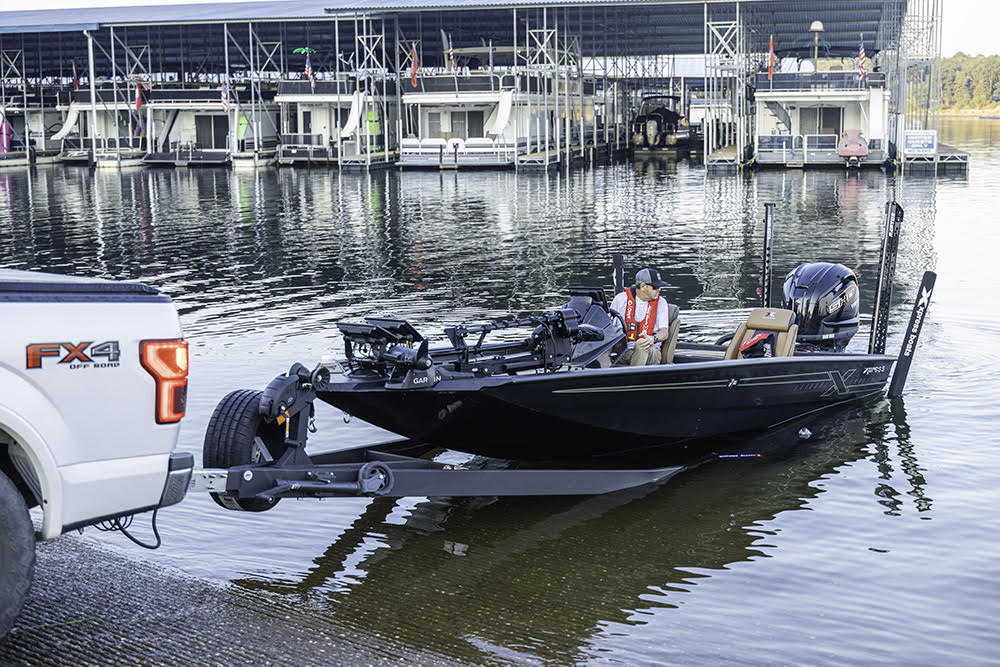
Jeremy Risley, the AGFC’s Black Bass Program coordinator, is an avid angler who’s spent many hours at the boat ramp waiting in line for folks to launch during busy weekends.
“Being a good steward starts before you launch the boat,” Risley said. “You want to make sure your gear is in order before you get to the ramp, and go ahead and get things ready before it’s your turn to launch. Waiting until you back down the ramp to load your gear into the boat and take off the transom saver is a sure way to cause delays.”
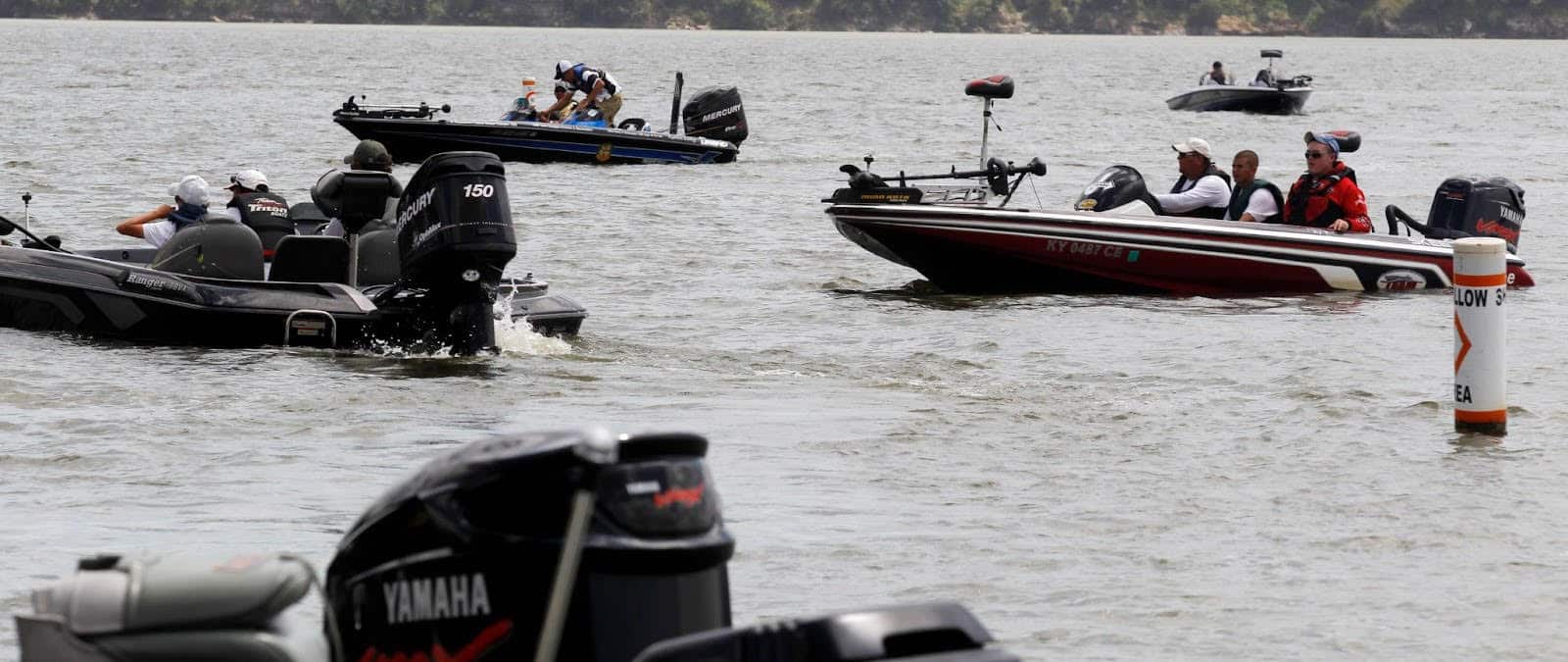
Now here’s the hard part. If someone ahead of you doesn’t heed this warning or they are having a hard time backing their boat up, Risley says the best solution is patience.
“It can be tempting to say something, but don’t,” Risley said. “If someone’s flustered, it makes it even harder for them to back their boat, or they may forget something important, like their boat plug, and cause an even bigger problem. We want to foster safe interactions and reduce conflicts between the diverse groups using our waters, and some of the people at the ramp are new or only occasional boaters.”
When it comes to fishing or skiing gear, most people have a boatload full of it, but a few items should never be left at home. Whether you’re a hardcore bass angler, crappie fisherman or just a family out for a weekend on the party barge, safety starts with having the appropriate gear and making sure it’s readily available.
Here is a checklist of required (but sometimes forgotten) safety equipment that is mandatory on navigable waterways and federally controlled waters, including all U.S. Army Corps of Engineers reservoirs:
Required Safety Gear Checklist
-
Wearable Life Jackets (PFDs): Every person on board or being towed must have a U.S. Coast Guard-approved life jacket. These must be the correct size, in good repair and kept “readily accessible” rather than being tucked away in bags or locked storage. Youths 12 and under must wear a USGC-approved life jacket at all times while on board, unless the vessel is a houseboat, pontoon boat or similar vessel with a railing to prevent falling overboard and the craft is not under power.
-
Throwable Devices: Vessels 16 feet or longer are required to have at least one Type IV throwable device, such as a seat cushion or ring buoy, that is “immediately available” for emergency use (again, not locked in storage).
-
Fire Suppression: Boats with permanently installed fuel tanks, inboard engines or enclosed compartments must carry approved fire extinguishers. Requirements vary based on the vessel’s length.
-
Visual Distress Signals (VDS): On federal waters, boats 16 feet and longer must have approved signals for day and night use, such as an electric SOS light or three handheld flares. Boats under 16 feet only require night signals if operating after sunset.
-
Sound Signaling: All vessels under 39.4 feet must carry an effective sound-producing device (like a horn or whistle) to signal others during low visibility or emergencies.
-
Navigation Lights: If you are operating between sunset and sunrise, your navigation lights must be displayed to help others see you and determine your direction of travel.
-
Flame Arrestors and Ventilation: Gasoline boats with enclosed engines must be equipped with approved backfire flame arrestors on carburetors. Additionally, proper ventilation systems with at least two ducts are required to exhaust dangerous vapors.
By ensuring your boat is fully equipped and operating with courtesy, you help keep Arkansas’s waters a premier destination for everyone. Safe boating is no accident — it’s a choice we make every time we hit the water.
Visit www.agfc.com/education/boater-
A complete list of Arkansas boating laws and responsibilities is available at https://www.agfc.com/wp-
####
Recent News
Arkansas Wildlife Weekly Fishing Report
Oct. 22, 2026
Lake Conway Renovation Update Planned for Nov. 2
Oct. 22, 2026
Subscribe to Our Weekly Newsletter E-mails
Don’t miss another issue. Sign up now to receive the AGFC Wildlife Weekly Newsletter in your mailbox every Wednesday afternoon (Waterfowl Reports are published weekly during waterfowl season and periodically outside the season). Fishing Reports arrive on Thursdays. Fill in the following fields and hit submit. Thanks, and welcome!