Leave ‘abandoned’ wildlife where you find it
ON 04-30-2026
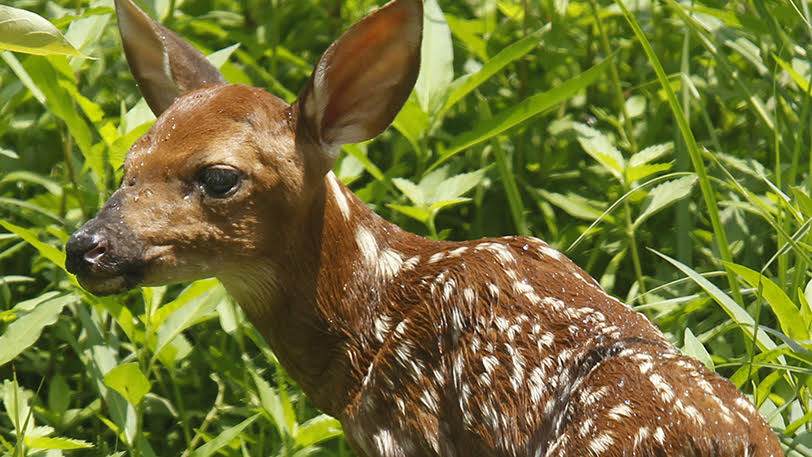
Many species of wildlife have their young in spring, and many well-meaning Arkansans regularly call the Arkansas Game and Fish Commission to report deer fawns and other young wildlife that look abandoned. But moving these animals can actually cause more harm than good.
Most wildlife cannot be with their young nonstop. They must search out food for their offspring or gain much-needed nutrition to continue nursing them. There are also species that do not stay with their young because the parents’ presence at the nest or den attracts the attention of predators. It’s not uncommon for a doe deer or rabbit to leave her young alone nearly all day while she eats and recuperates from the stress of nursing. Mother and father birds also take many trips, scouring the nearby area for food they will bring back to the hatchlings.
It can be a shock to a person to see these young animals in such a helpless position, but this is how these species survive. In fact, the more trips back and forth a mother makes to her young in the wild, the more scent trails she leaves behind for predators to possibly follow.
Often, a doe deer is within hearing distance of her young, even though you may not see her. The best defenses fawns and rabbit kits have are to stay motionless so they blend into their surroundings and stay quiet so they don’t attract unwanted attention. Baby birds, almost ready to fly, hop around in the tree, exercising their wings. Bird enthusiasts call these young birds “branches” because you often find them bouncing up and down in the branches as they learn. They often end up on the ground a few times before finally getting the hang of things. Parent birds will continue to feed them on the ground until they fly off on their own. This process may take more than a week in the case of birds of prey like bald eagles and barred owls.
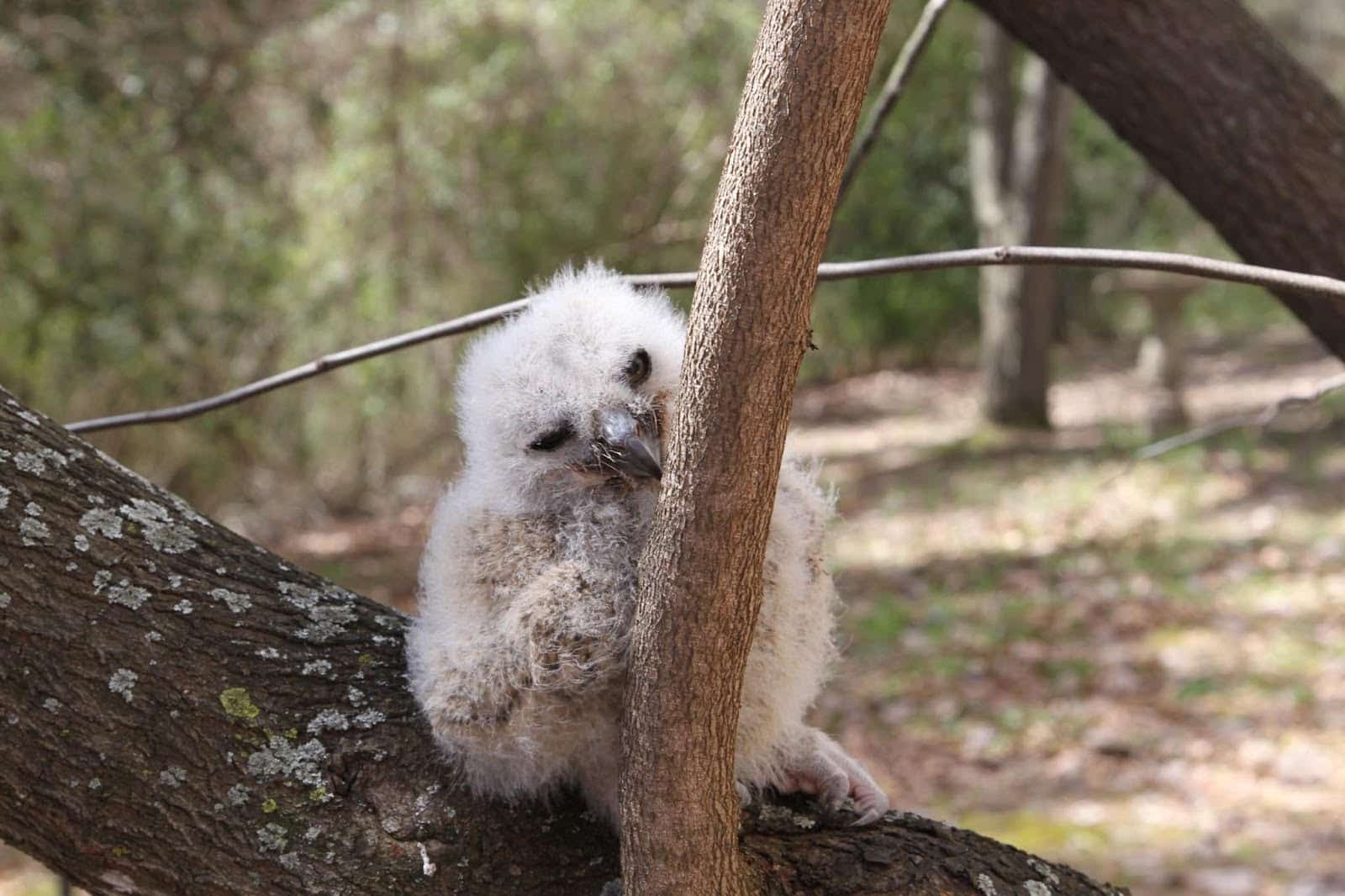
Moving “orphaned” wildlife works against this plan. Instead of rescuing them, well-meaning people often mistakenly take them from their mothers and have little to no experience or idea of how to help the young animal. Wildlife rehabilitation permittees often are overwhelmed by kidnapped young owls and other birds that were mistakenly “rescued” by well-meaning people. Many often run low on donated funds to purchase feed for all of the kidnapped animals and must turn them away.
If you do find a young animal and have taken it from the area, the best practice is to place it back where you found it as soon as possible. In cases where the spot may have been unsafe because of a nearby road or predator, you can move the animal slightly, and its mother will find it. Forget the wives’ tales about the mother rejecting the young because of your scent; when she comes back to the area, she will take care of her young regardless.
Young deer and elk present an additional challenge because it is illegal for a rehabilitator to take them in. The AGFC prohibits the rehabilitation of deer because of the possibility of unknowingly transporting chronic wasting disease to a previously unexposed area of the state. CWD spreads through a misfolded protein structure called a prion that stays viable in the environment for decades. If a CWD-positive deer were to get to a rehabilitator’s facility, that facility could then infect every deer that later visits it.
Even if rehabilitators could legally take in deer, studies have shown that 99 percent of rehabbed deer die within two weeks of their release to the wild. These animals do not properly learn to fear people and predators. As a result, almost all of them are quickly killed by wild predators, feral and domestic dogs, and vehicle collisions.
If you happen upon a fawn, you legally must leave it where you find it. Just because an adult deer was found dead nearby does not mean the fawn is alone. That deer that was hit by a car may not be the fawn’s mother. Even in cases where the mother has been killed, there is still a chance other does are nearby that will take in the fawn as their own if they find them. In either case, that animal’s best chance of living a healthy life in the wild is for people to step aside and let Mother Nature take care of things.
If you know the animal is injured or truly orphaned and it is not a bear, deer or elk, the Arkansas Game and Fish Commission keeps a list of licensed rehabilitators available on its website at www.agfc.com/rehab. These rehabilitators do not receive pay for their efforts, have limited space, and often are available only during certain hours, so calling ahead to find one that will take in the animal is highly recommended.
####
CUTLINES:
DEER FAWN IN COVER
A deer fawn’s instinct to stay perfectly still and quiet is how it avoids predators; the mother is likely nearby waiting for you to leave. AGFC photo by Mike Wintroath.
OWLET ON BRANCH
Even if a baby owl or bird falls from the nest, the parents often tend to it on the ground if it is healthy until it is ready to fly. AGFC photo by Mike Wintroath.
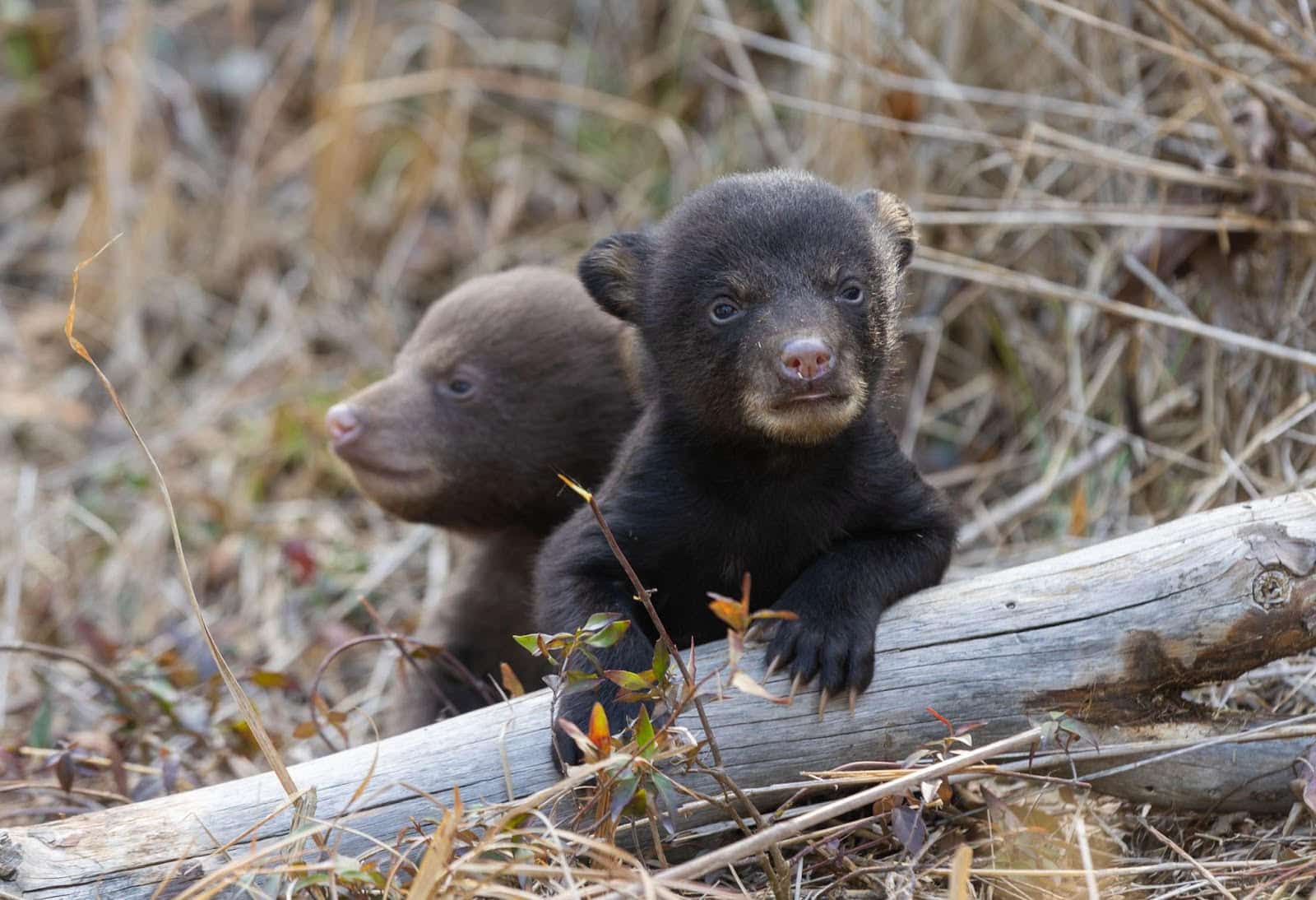
BEAR CUBS
Black bear cubs may look cute and cuddly, but their mom rarely leaves them for more than a short foraging run, and they can be unpredictable when the situation involves their young. The best course of action is to back away and leave the area, leaving the cubs where you found them. AGFC photo by Mike Wintroath.
Recent News
Arkansas Wildlife Weekly Fishing Report
Sep. 17, 2026

Subscribe to Our Weekly Newsletter E-mails
Don’t miss another issue. Sign up now to receive the AGFC Wildlife Weekly Newsletter in your mailbox every Wednesday afternoon (Waterfowl Reports are published weekly during waterfowl season and periodically outside the season). Fishing Reports arrive on Thursdays. Fill in the following fields and hit submit. Thanks, and welcome!