Habitat Incentive Money Growing in Arkansas
ON 11-13-2026
The U.S. Department of Agriculture Natural Resources Conservation Service in October awarded nearly $10 million for wildlife habitat work on private land in Arkansas to be administered through the Arkansas Game and Fish Commission Forests to Farms: Igniting a Private Lands Wildlife Legacy Regional Conservation Partnership Program over the next five years.
According to a USDA press release, the program was one of 42 projects sponsored through the Regional Conservation Partnership Program, which helps farmers, ranchers and forest landowners boost their operations while conserving natural resources across the nation. The money will be used to fund vital habitat work by private landowners in partnership with the AGFC’s Private Lands Habitat Division. Since nearly 90 percent of Arkansas’s landmass is in private ownership, conservation programs on these properties are essential to landscape-level habitat improvements to benefit wildlife throughout the state.
Randy Brents, assistant chief of the AGFC’s Private Lands Habitat Division, said the grant will help fund wildlife habitat restoration on private land over the next five years. Brents credits the recent commitment of $5 million from Gov. Sarah Huckabee Sanders’ discretionary set-aside fund for this landmark achievement.
“Gov. Sanders’ investment in private land conservation helped make our proposal very competitive for this grant funding,” Brents said. “We committed $3 million of her commitment as our cash match. That showed USDA that Arkansas is ready to put its own dollars on the ground alongside theirs, and it helped bring $10 million in federal conservation funding home to Arkansas landowners.”
The Conservation Incentive Program was initiated in 2024, thanks to a similar set-aside by the Arkansas General Assembly. A second round of CIP practices were reimbursed in 2026, using a $2.5 million USDA grant. Through CIP, landowners can apply for cost-sharing opportunities on practices ranging from establishment of prescribed fire and forest improvement techniques to winter flooding of rice fields and wetland management.
“Arkansas landowners have already shown us the demand,” Brents said. “Since 2024, our Conservation Incentive Program sign-up drew nearly 2,700 applications from 74 of the state’s 75 counties. This RCPP grant will let us reach hundreds of new landowners and improve up to 70,000 acres of forest, grassland and wetland habitat. Wildlife doesn’t know boundaries, and all Arkansans will benefit from healthy wildlife, cleaner water and restored ecosystems.”
Additional sponsorships and partnerships will amplify the federal award.
“Every state dollar in this project brings about nine more with it,” Brents said. “The governor’s funding is joined by $350,000 cash from Ducks Unlimited and the Arkansas Game and Fish Foundation, plus more than $17 million in partner contributions from several energy companies and nonprofit organizations. Our cultivating partner, Greenway Equipment, donated $300,000 of in-kind equipment rentals, which we were also able to leverage to achieve this new grant. Together, that makes the program worth more than $30 million for Arkansas wildlife and working lands.”
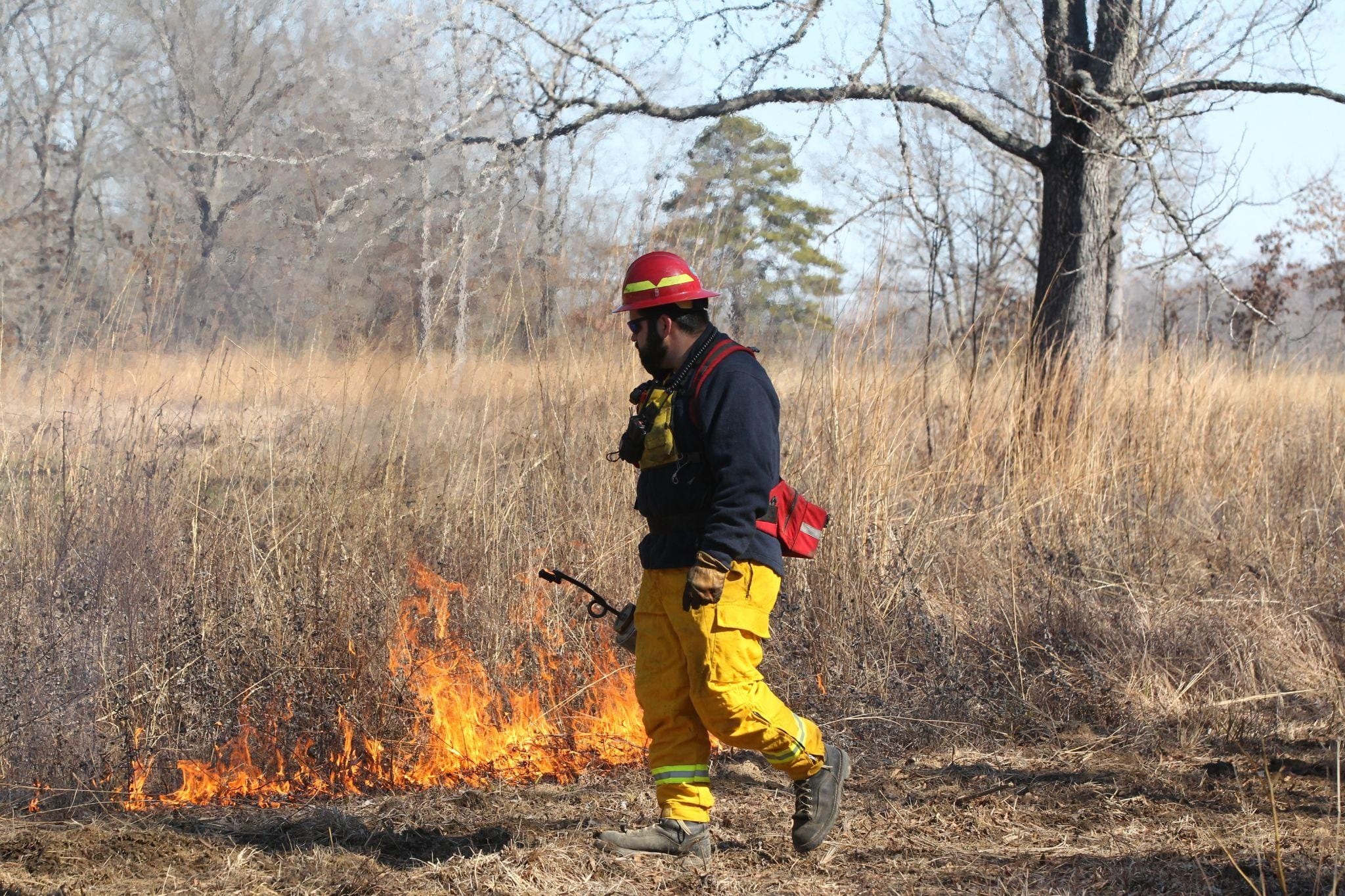
Visit www.agfc.com/habitat to learn more about the Private Lands Habitat Division and contact a local private lands habitat biologist to improve wildlife habitat on your property.
####
CUTLINES:
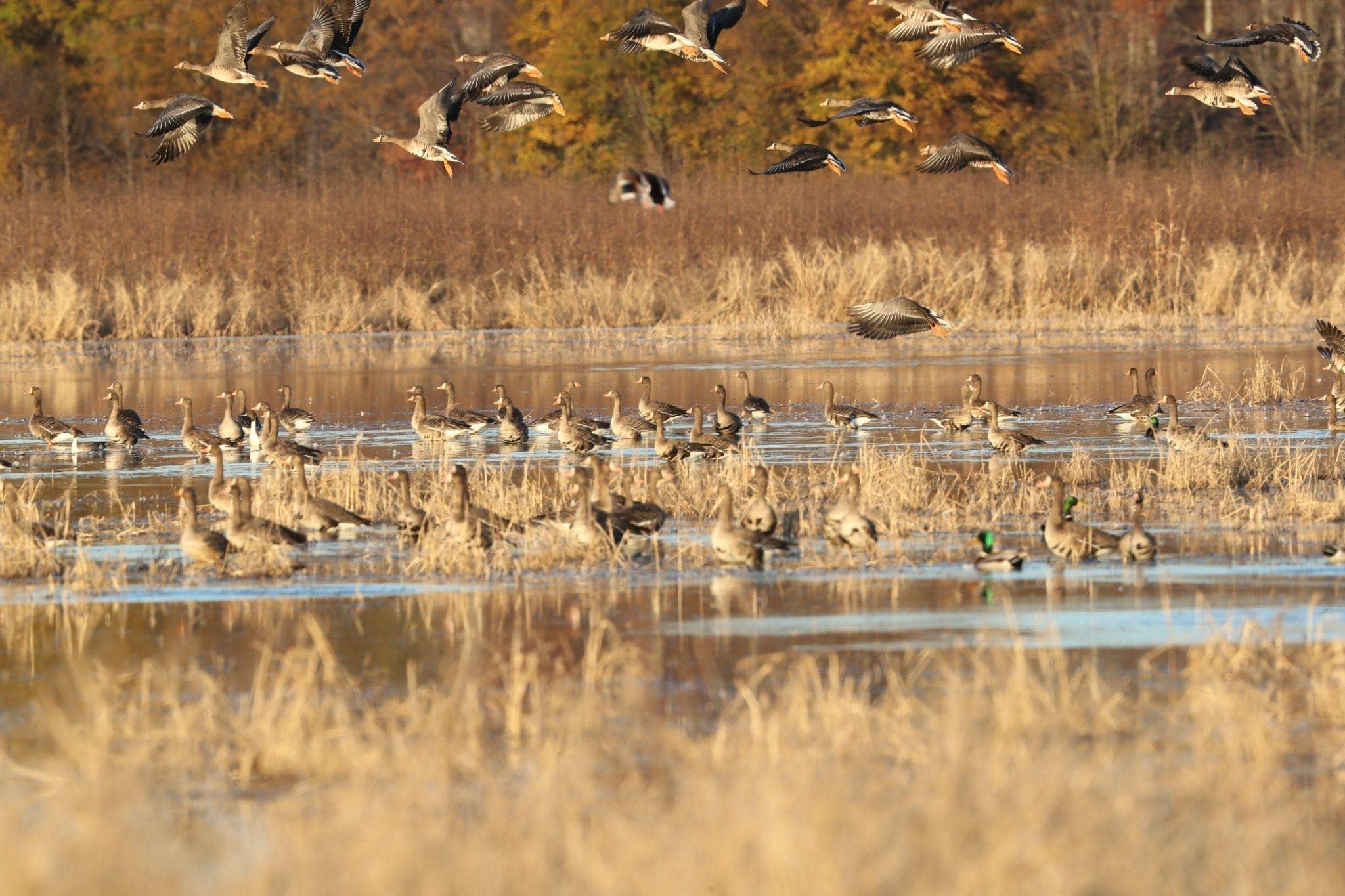
GEESE AND DUCKS
Managing wetlands and flooding rice fields is one practice the latest USDA grant will be able to aid. AGFC photo.
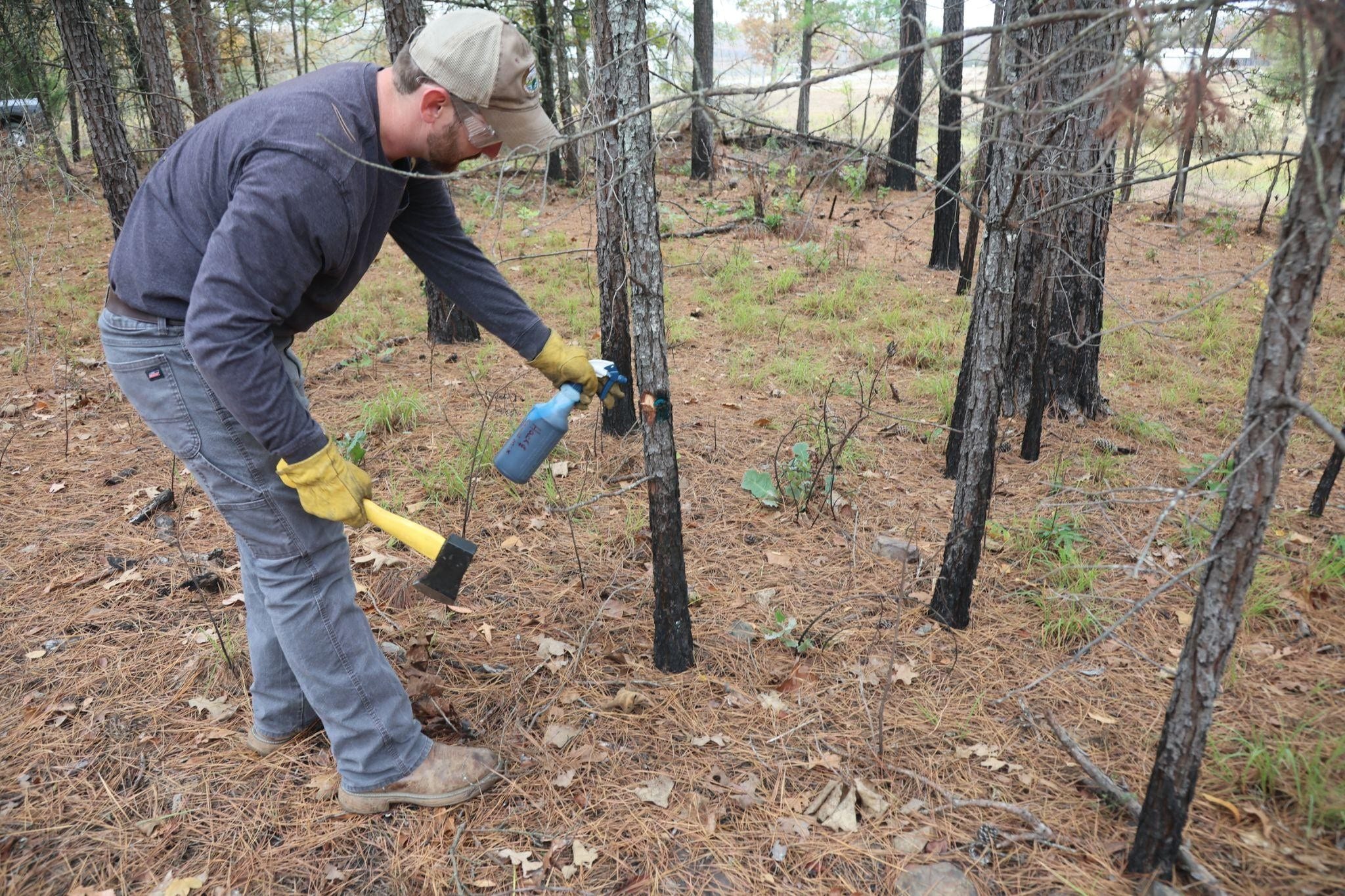
REMOVING TREES TO HELP HABITAT
Removing small understory trees opens up the ground to allow seed-producing plants and other wildlife forage to flourish. AGFC photo.
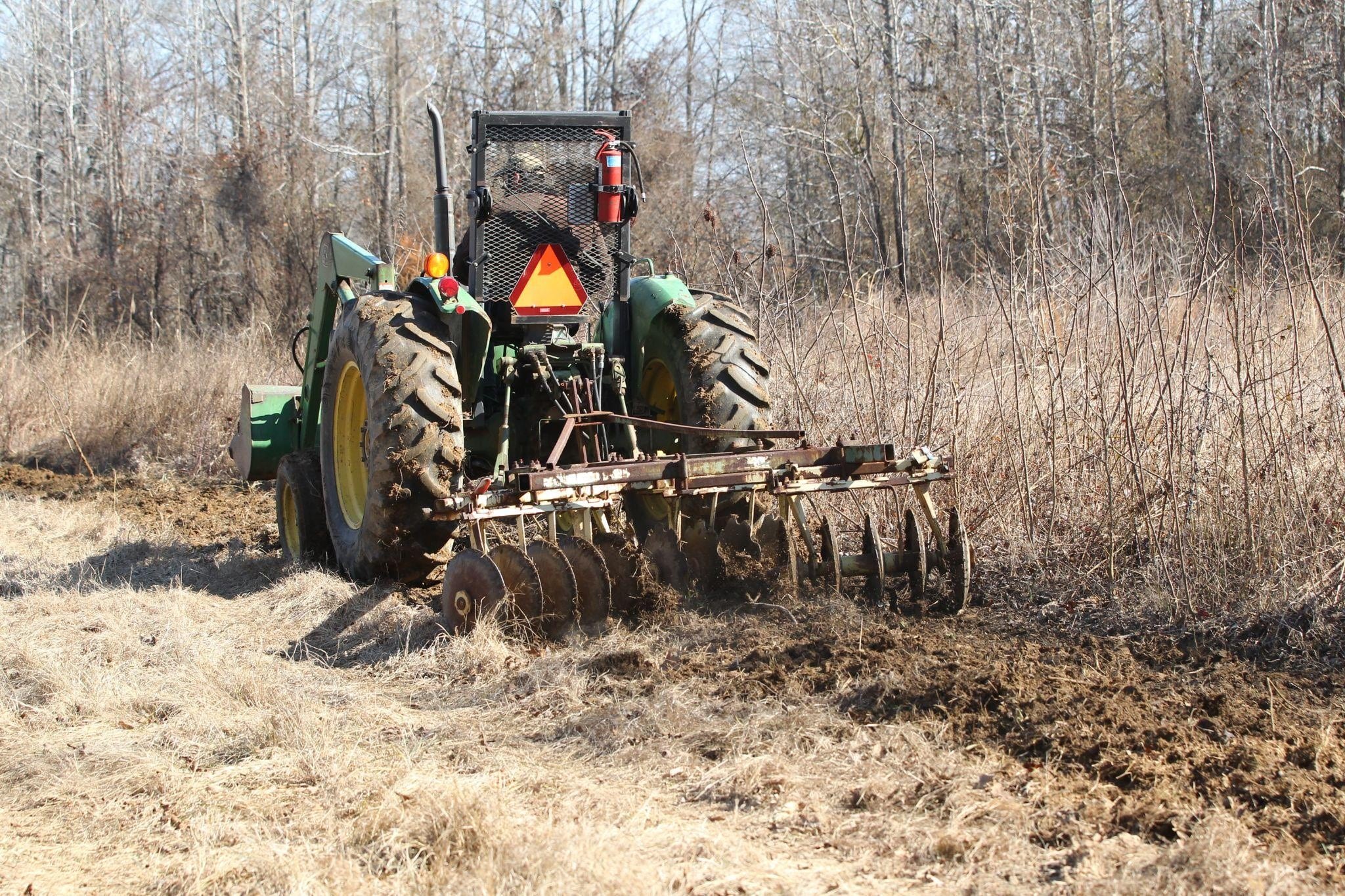
FIREBREAK
Working through prescribed burn associations and grants like the Conservation Incentive Program can offset cost and labor of establishing firebreaks to prevent unwanted spread of fires and manage controlled burns. AGFC photo.
BURN FOR BETTER HABITAT
Periodic controlled burns encourage the growth of beneficial habitat for quail, deer, turkeys and a variety of grassland songbirds. AGFC photo.
Recent News
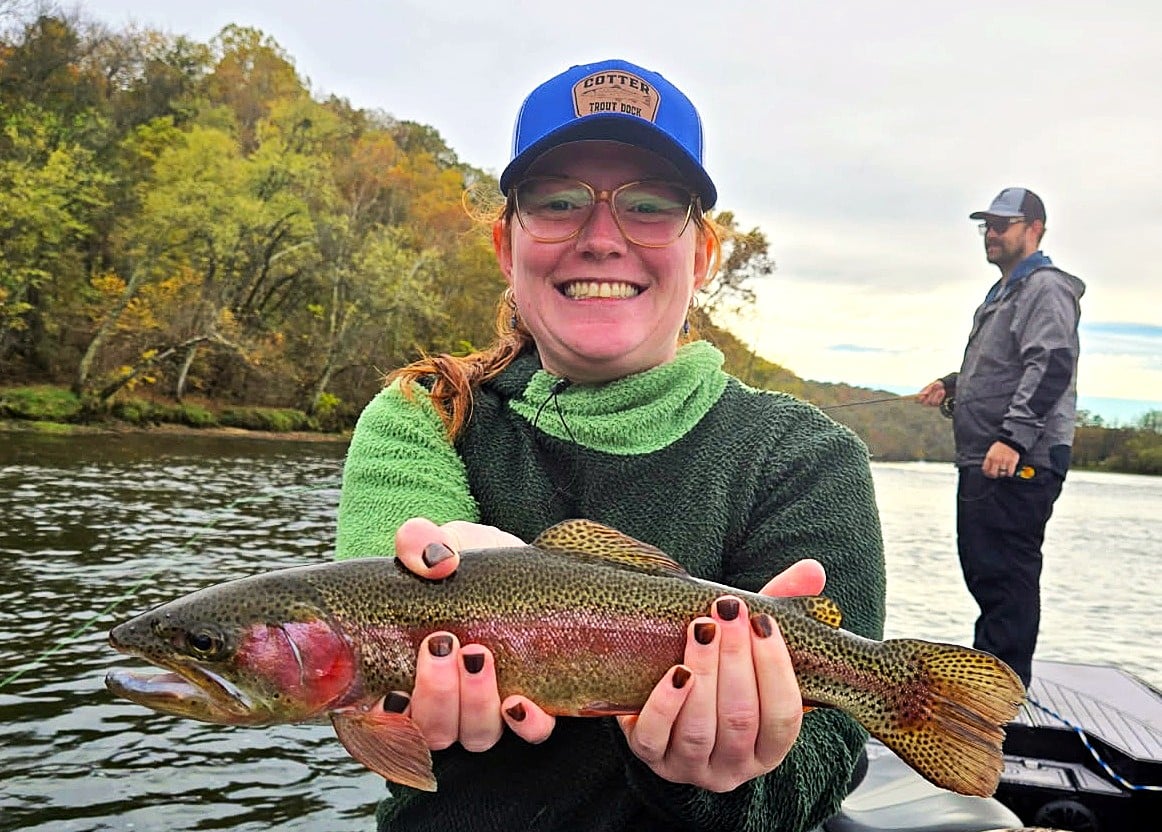
Arkansas Wildlife Weekly Fishing Report
Nov. 12, 2026
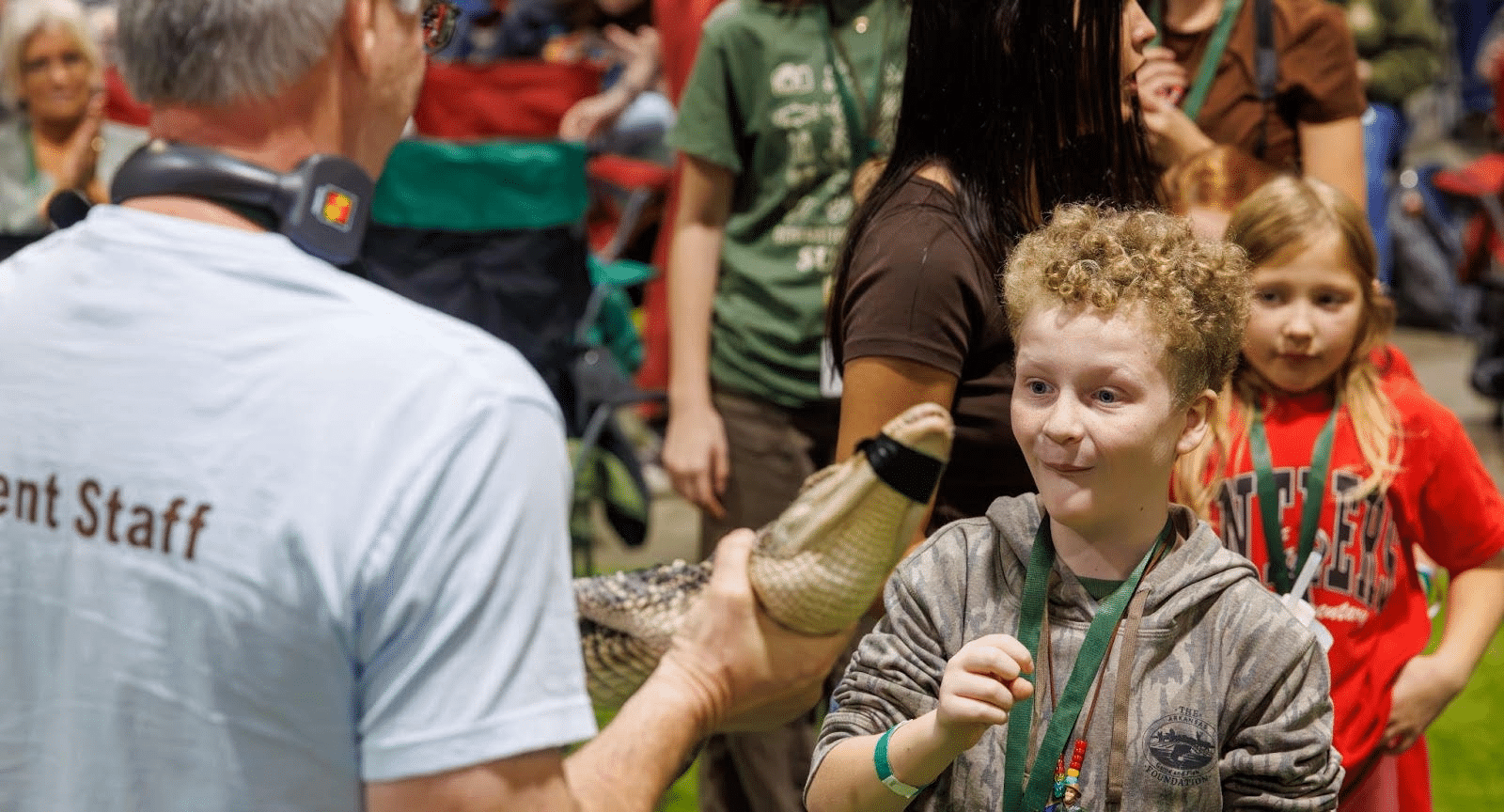
GenCon Summit Sees Significant Growth in Year Two
Nov. 12, 2026
Subscribe to Our Weekly Newsletter E-mails
Don’t miss another issue. Sign up now to receive the AGFC Wildlife Weekly Newsletter in your mailbox every Wednesday afternoon (Waterfowl Reports are published weekly during waterfowl season and periodically outside the season). Fishing Reports arrive on Thursdays. Fill in the following fields and hit submit. Thanks, and welcome!