AGFC Hawg Troughs become breeding ground for future trophies
ON 05-04-2026
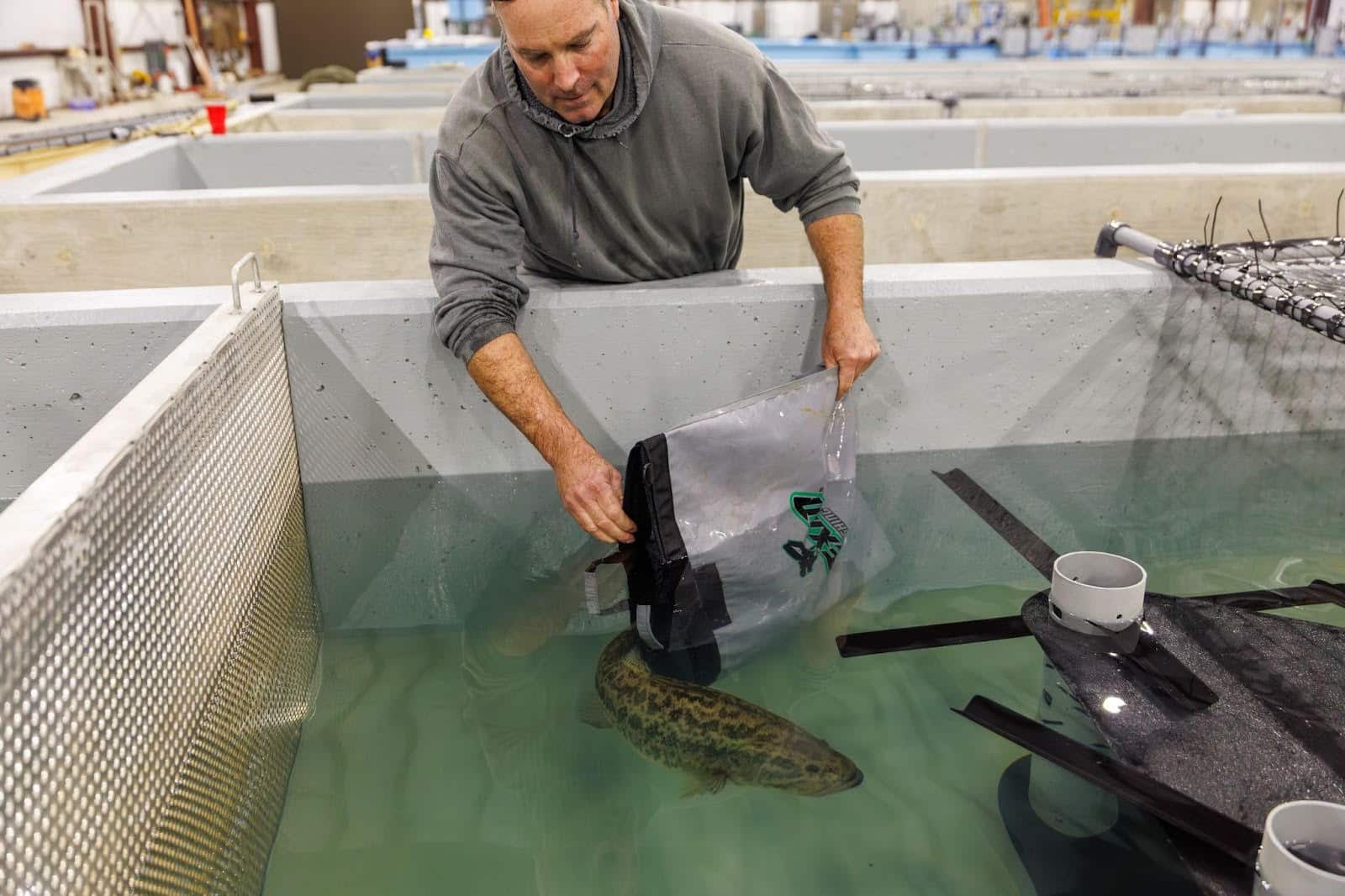
Eighteen largemouth weighing more than 10 pounds each are sitting in the newly renovated hatch house of the Joe Hogan State Fish Hatchery, thanks to anglers participating in the inaugural year of the Arkansas Game and Fish Commission’s Arkansas Legacy Lunker program. The excitement of big catches at multiple lakes dominated late winter and early spring across The Natural State, but the current phase of the program has AGFC’s Black Bass Program staff on pins and needles.
The large females have been introduced to their suitors, male Florida bass that possess the genetic markers for fast growth.
“They’re called Titan Maxx bass, and they’re a product of Red Hills Fishery in Georgia,” Will Lancett, Legacy Lunker program coordinator, said. “We know Florida bass grow big, but these are the best of the best, and we’re pairing them with females that we know for a fact grow to trophy sizes in Arkansas waters.”
Jeremy Risley, the AGFC’s Black Bass Program coordinator, said the addition of the Titan Maxx genetics will greatly speed up the potential for improvements in the size of fish in the lakes where Legacy Lunker offspring will be stocked.
“This is the part that the biologist in me really sort of gets geeked out,” Risley said. “Big fish create excitement, but creating big fish opportunities is even better, and that’s what the program is all about.”
This is the second phase of the AGFC’s partnership with Red Hills Fishery; the first was the stocking of Titan Maxx bass directly into the newly renovated Lake Monticello in 2022. While it’s extremely unlikely that Lake Monticello’s lone contribution to this year’s Legacy Lunker program (a 10.22-pound pig) was one of those fish, the combination of this fertile fishery and high-octane bass has all of the biologists excited about the future.
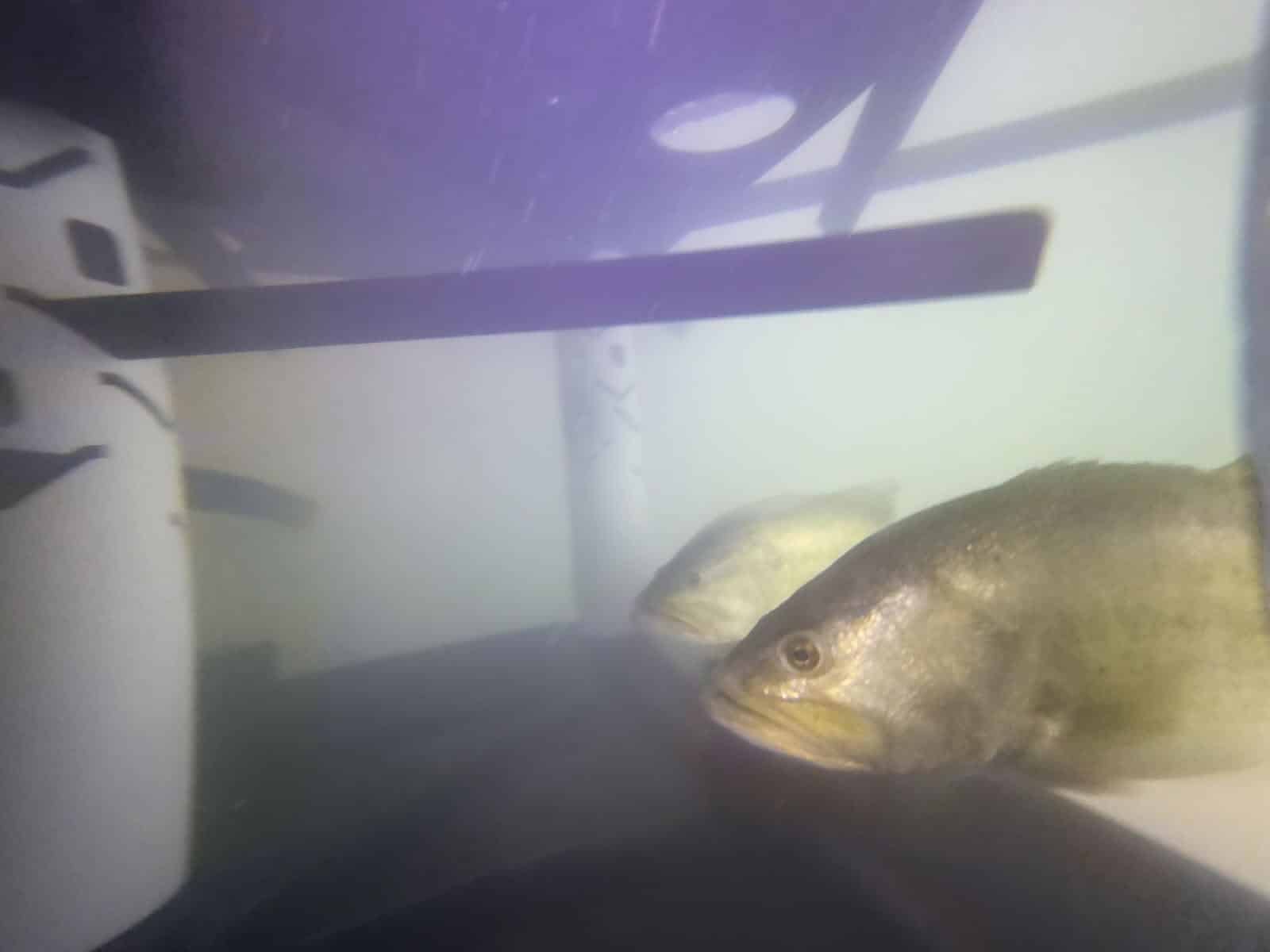
The fish, which were separated by the body of water they came from, have lived in the concrete raceways, dubbed “hawg troughs,” while recovering from their catch. The troughs were outfitted with custom-fitted Mossback Fish Habitats to make them feel safe and to reduce stress.
“We tried to make the trough as comfortable as possible for the fish,” Lancett said. “In the wild, bass want cover to ambush prey and feel safe, so Mossback came out, measured the tanks and cut their structures to be as close as we could get without adding organic matter.”
In the last month, hatchery staff have slowly increased the amount of light entering the troughs and warmed the water to stimulate the bass’s metabolism and trigger them to spawn. Special mats of spawning media, similar in appearance to the air filters found in industrial heating and cooling systems, were placed in the tanks, and the custom structures were removed to ensure the bass would lay their eggs on the waiting media.
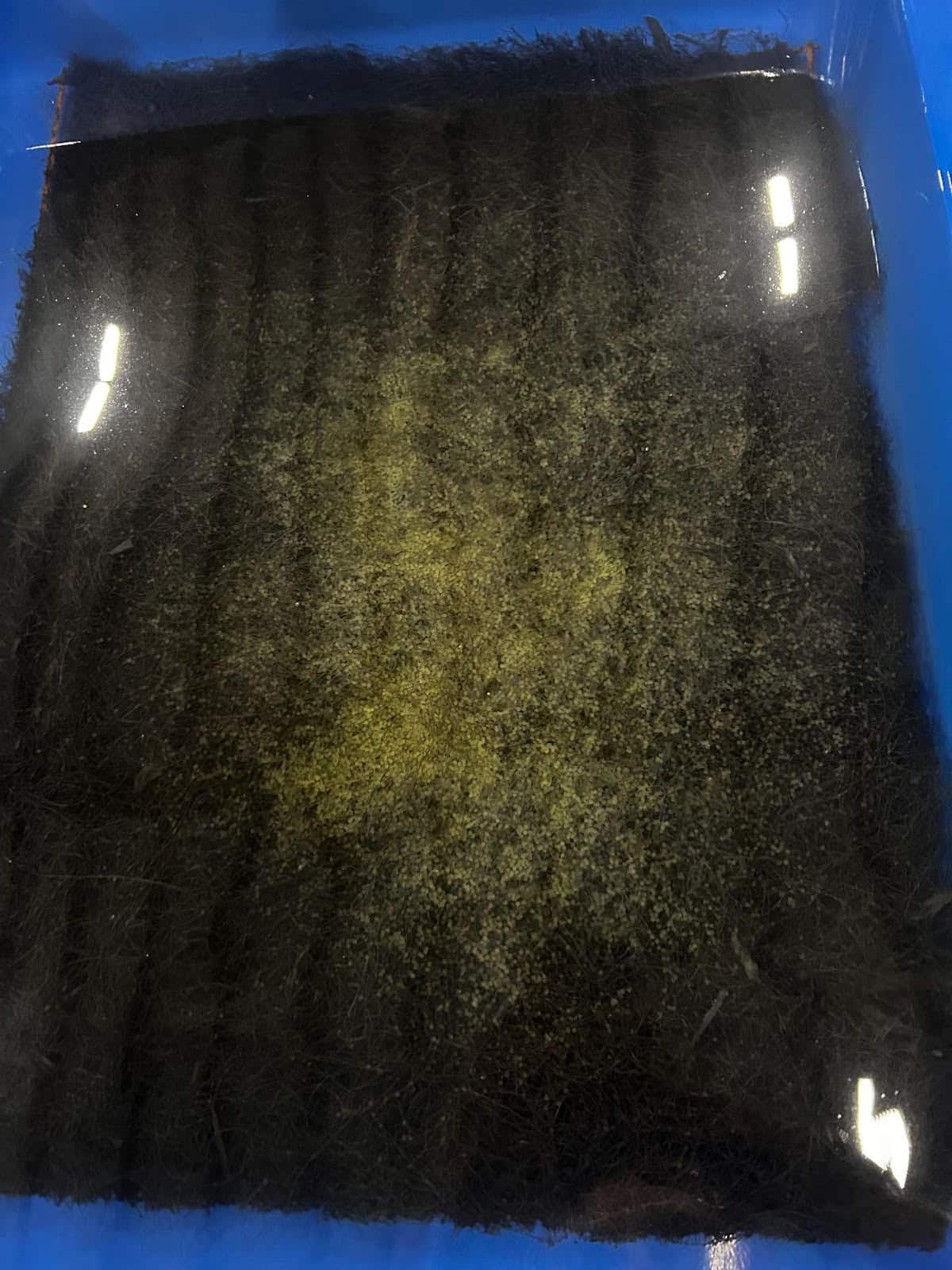
So far, the plan is panning out. Many of the Legacy Lunkers have started their spawns, and a few have even spawned multiple times. Hatchery staff replace the spawning media with fresh mats and suspend the egg-laden ones in a separate tank that has a flow of warm water circulating through to keep the eggs aerated and fresh until they hatch. Then it’s on to special tanks where each hatched fish (called fry) are allowed to grow until their bodies are developed enough to begin feeding on their own.
“We’ve gotten over a dozen spawns from the Legacy Lunker fish so far,” Lancett said. “And it won’t be long until the fry are ready to move to the ponds for even more growth to become finglerings. As soon as late May or early June, we’ll be gathering them up and heading to all the lakes that contributed fish to boost their genetics with our first official Legacy Lunker stocking.”
As for the Lunkers themselves? Lancett says he’s already in the process of working through logistics to get these double-digit bass back to the lakes where they were caught.
“Some are in even better condition now than when they were caught,” Lancett said. “We’re reaching out to anglers who contributed to see if they can make it back for the release; we want to get the fish swimming in their home waters as soon as possible. They trusted us with their fish of a lifetime, and we want to do everything we can to ensure that fish lives to fight another day.”
Visit www.agfc.com/legacylunker to learn more about the Arkansas Legacy Lunker Program and see a list of all lunkers donated this year.
####
CUTLINES:
RELEASING LUNKER
Lonoke Hatchery Manager Chad Wicker moves one of 18 Legacy Lunkers into a concrete raceway dubbed a “hawg trough” to prepare her for spawning. AGFC photo.
TWO FISH
Two trophy bass eye the newly constructed Mossback Fish Habitat structures placed in their raceway to give them cover. AGFC photo.
MAT
This mat of spawning media is loaded with between 25,000 and 35,000 fertilized eggs from one of this year’s Legacy Lunkers and Titan Maxx male bass. AGFC photo.
Recent News

Subscribe to Our Weekly Newsletter E-mails
Don’t miss another issue. Sign up now to receive the AGFC Wildlife Weekly Newsletter in your mailbox every Wednesday afternoon (Waterfowl Reports are published weekly during waterfowl season and periodically outside the season). Fishing Reports arrive on Thursdays. Fill in the following fields and hit submit. Thanks, and welcome!