Lake Conway Continues March Toward Completion
ON 09-24-2026
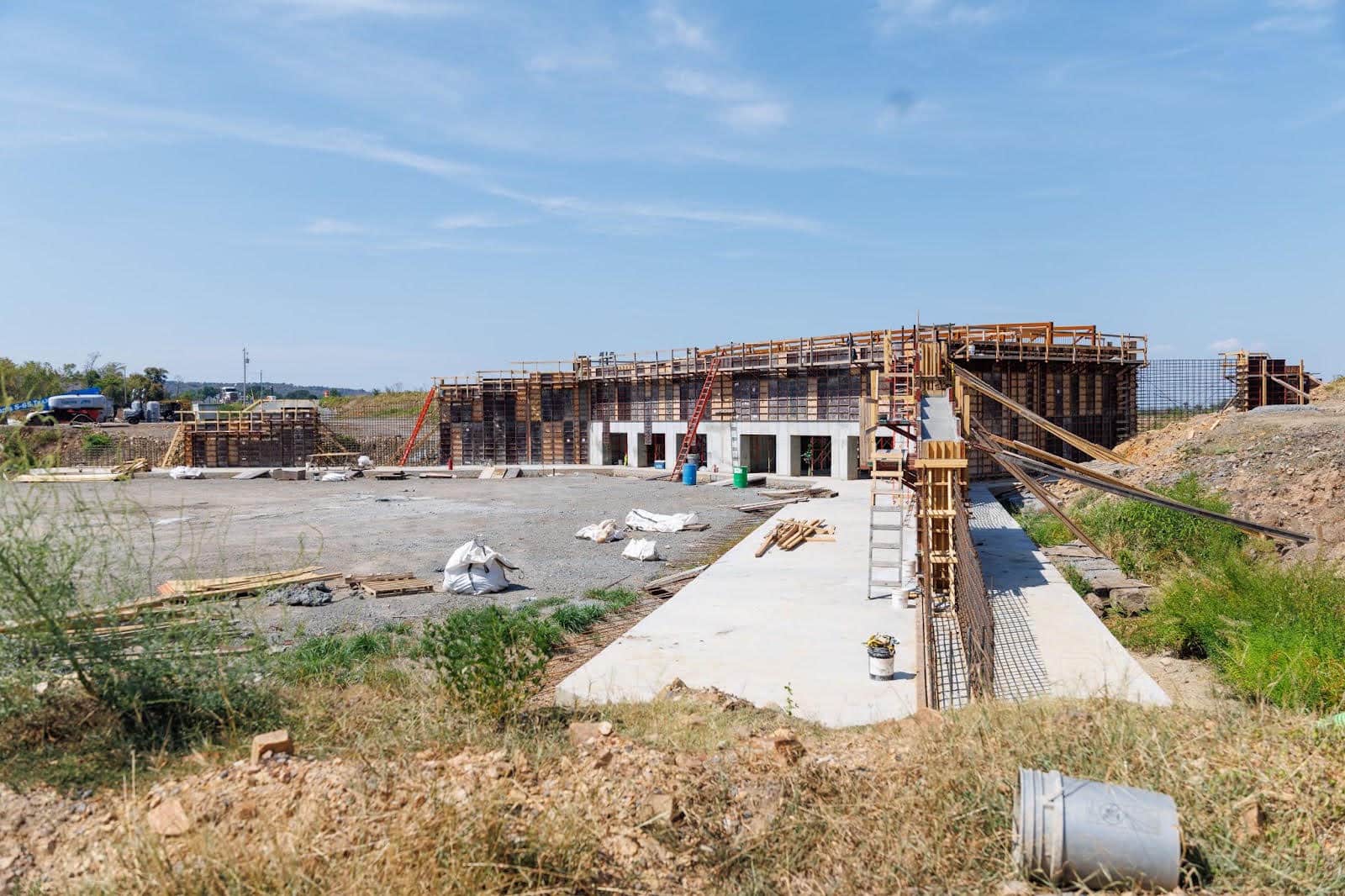
Drought conditions have left many Arkansas lakes a few feet lower than normal, but they’ve boosted construction efforts to complete the new spillway and dam at Craig D. Campbell Lake Conway Reservoir, which just passed the three-year mark in its planned five-year renovation.
The completion of a bridge over the auxiliary spillway and delivery of a footbridge spanning the creek where the old dam was situated marked major milestones last month in the lake’s renovation. The footbridge will be placed soon, adding another completed task in the largest lake renovation in the AGFC’s history.
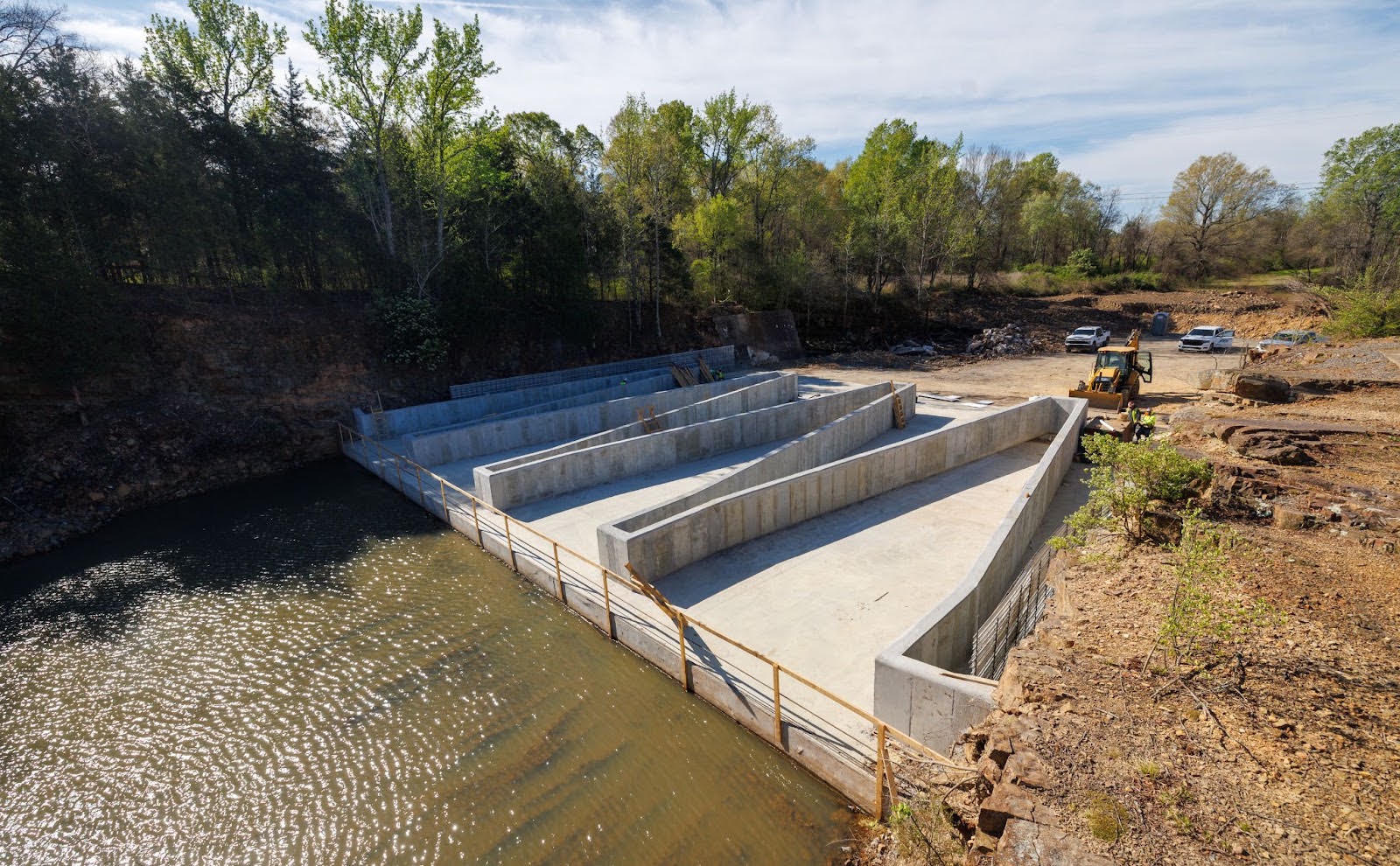
“The lake is going to be run as a passive water-control system in the future, using a special spillway that can handle a lot more water than the previous gate system,” Nick Feltz, fisheries supervisor at the AGFC’s Mayflower Field Office and the person overseeing the renovation, said. “The large secondary structure has gates that will make it possible to lower the lake below normal pool for future management drawdowns. That structure will not be used for releasing water during flood events. The way the lake’s elevation sits and its outflow capability are pretty fixed, so we won’t see a lot of change in flood control capability if the Arkansas River is up because there just isn’t anywhere for the water to go in those cases.”
The spillway design is called a labyrinth weir, which accommodates much more flow than a standard open gate. This should provide much more consistent water levels through rains and allow the agency to do away with the lake’s annual winter drawdowns. Feltz says this should help with the growth of beneficial native vegetation, such as coontail.
“The more stable water level in late winter and early spring should also benefit spawning effort of bass, bluegill and crappie in the lake,” Feltz said. “And it won’t rely on manually manipulating or constantly repairing 75-year-old gates.”
Feltz says nearly all of the components of the work to be done in the lakebed are complete, and the dry weather has allowed contractors working on the passive spillway structure and auxiliary dam to work relatively uninterrupted.
“Mobley Construction has certainly gotten after it since they began work last November and have consistently beaten their projected timelines on their construction,” Feltz said. “There are also many components of the renovation that are complete. Being in a drought for essentially 14 months has enabled us to really cover some ground, particularly with mulching boat lanes and removal of dilapidated boat houses and fishing piers. It’s also given people plenty of time with dry conditions to do repairs and improvements on their shoreline properties and permitted structures.”
Feltz urges all landowners who still have repairs and renovations to complete to do so before rains raise the water level from this low point.
“We’re still sticking to the original five-year timeline for the project right now, but if I were a landowner needing to finish repairs to my boat house or dock, I’d really consider doing the work as soon as I could. Weather in the future may not make it as easy to access the area with dry ground once this drought finally breaks.”
Contractors completed the boat lane clearing, carving out 28 miles of 50-foot-wide lanes throughout the lakebed. Many of these paths followed historically marked boat lanes, most of which still had many remnant stumps and obstructions that caused travel within them to remain a slow-going affair.
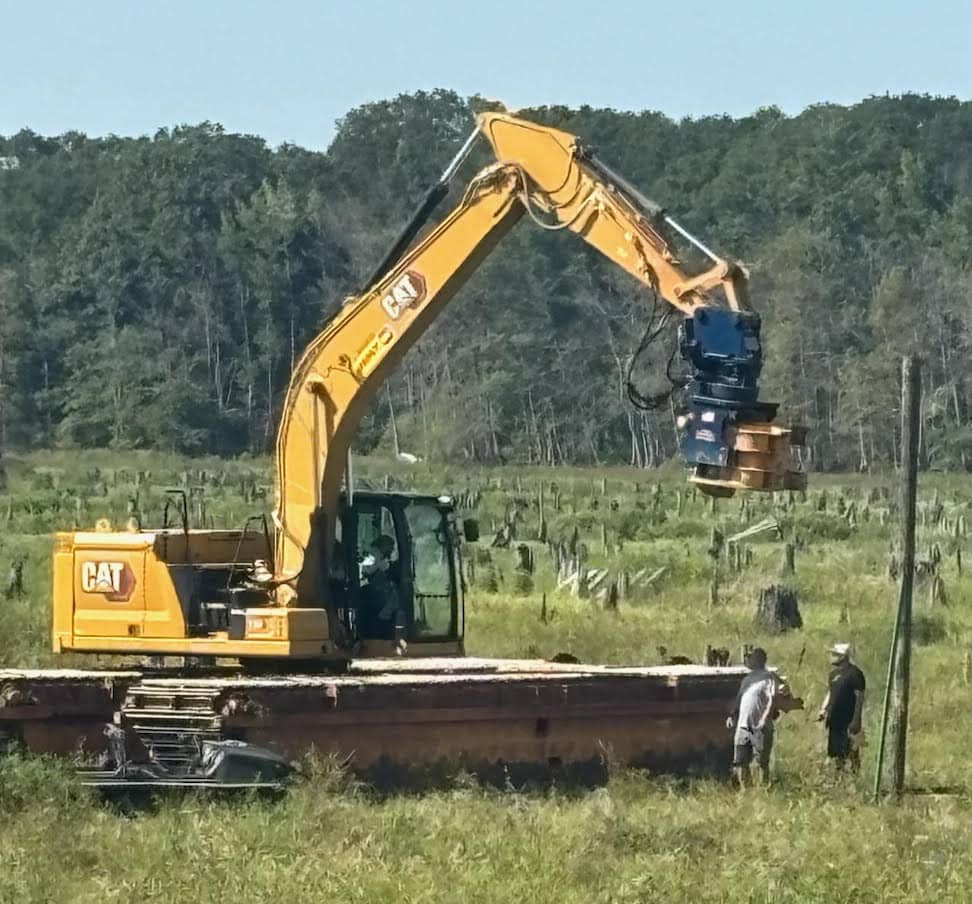
“The contractors are back right now driving utility poles into the lakebed to mark the lanes,” Feltz said. “They’re cutting paths through the vegetation where stumps were previously cleared and driving the poles 8 feet into the lakebed. Once the lake refills, we’ll be able to go back and place red and green markers on the poles to make the lanes more recognizable for anglers.”
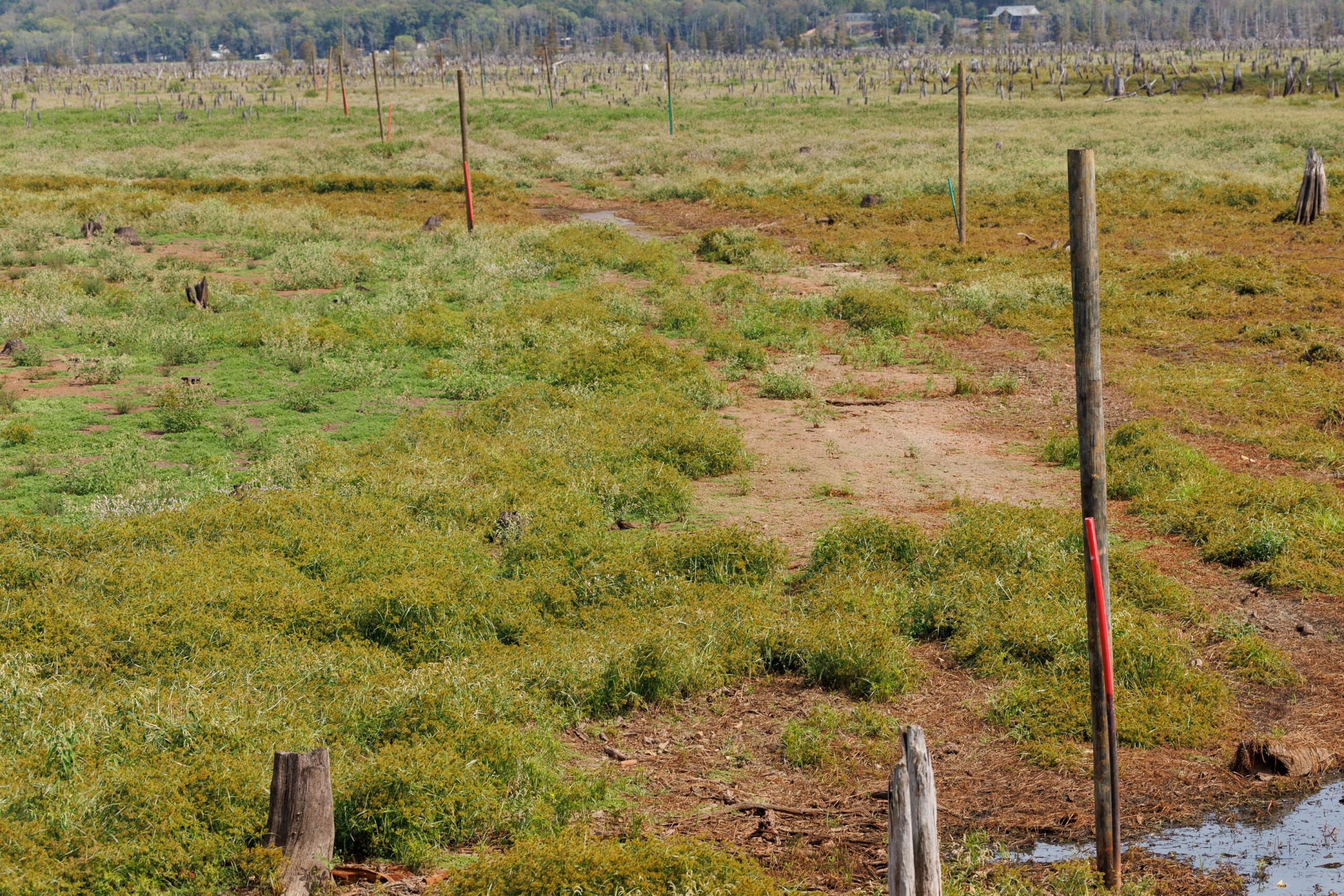
Although the lanes will be cleared for the planting of the markers, the rest of the vegetation in the lake will remain until the lake is refilled. Feltz explained that this cover will be excellent habitat for stocked baitfish and sport fish to thrive, then as it decays it will contribute to the nutrients in the lake, building the base of the lake’s food chain.
“There are a few areas of willow that have sprung up, which offers some good new woody cover, and we’ll keep an eye on that once the water returns in case we need to thin some of it out so people can access the boat lanes from their boat houses,” Feltz said. “That will be a post-renovation job so we can float in and get to those new trees. Right now, the vegetation is so thick you can’t see more than a few feet, and those unseen stumps can make travel nearly impossible with any equipment we have.”
Feltz said the drought also has given the lake a much cleaner slate to begin with when the project is complete.
“Most renovations enable us to dry out a lake completely, which removes all of the rough fish and undesirable species, but Conway has so many of those old ponds that we knew we really wouldn’t be able to drain or remove the fish from,” Feltz said. “Some initial conversations about performing fish removals on these ponds were not feasible, as the amount of water to be treated would be too large to effectively cover, and the conditions of the lakebed would make getting to these areas with the right equipment nearly impossible. But the prolonged low water has done much of that work for us in these residual ponds.”
Feltz says the lake is actually a foot lower than the agency can drain with existing infrastructure, and it is even lower than that in some of the remaining pools throughout the lake.
“Fish sampling that we’ve been able to conduct this year has shown very few fish left in the system,” Feltz said. “That means the fish that we stock will be free from competition when the system fills back up and all the nutrients are available to boost the new population.”
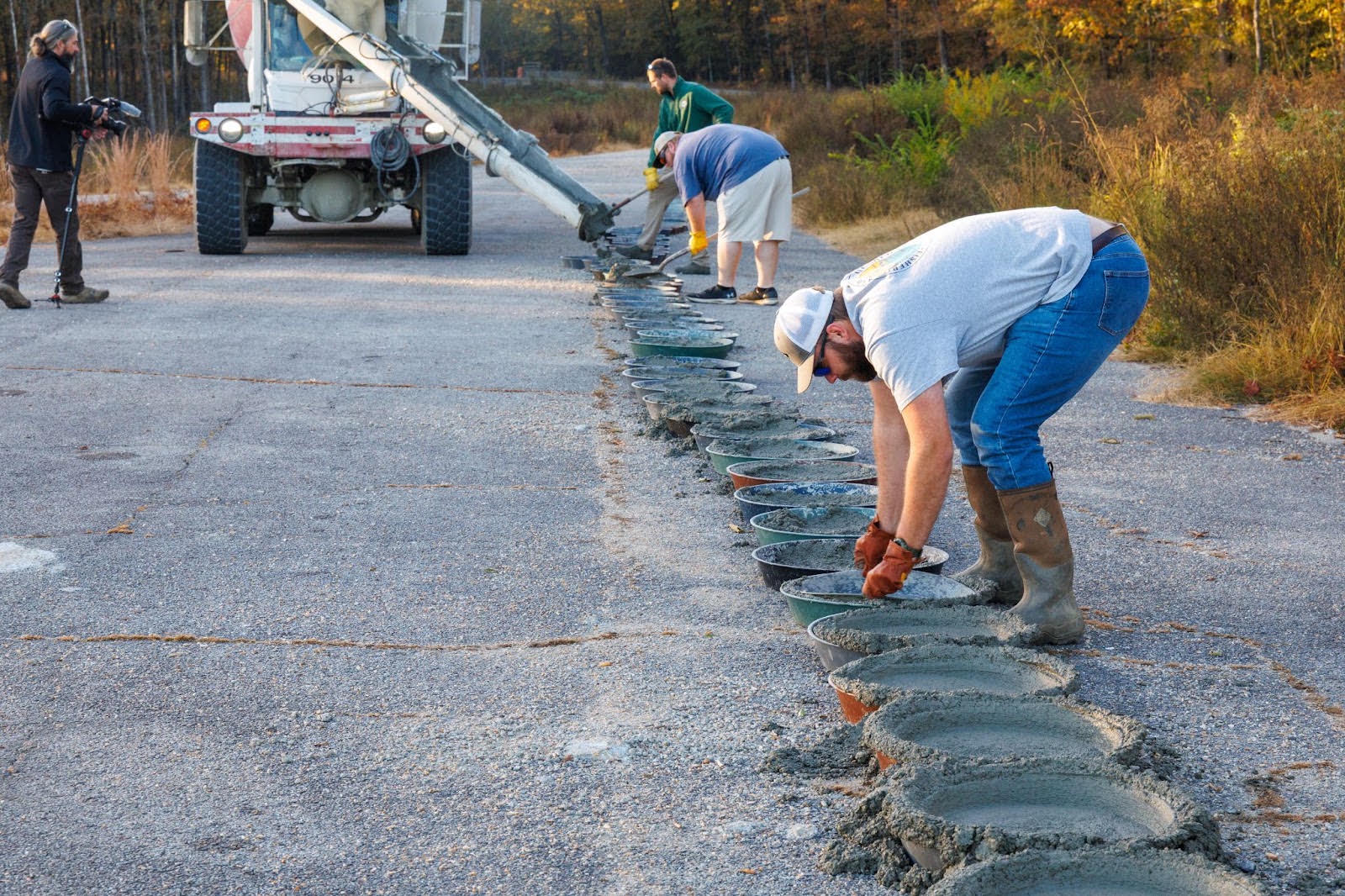
The fish will also have quite a bit of newly constructed complex habitat and hard spawning surfaces to use, thanks to multiple major habitat projects completed in the last two years. In addition to gravel spawning beds and wooden lean-to structures, AGFC staff distributed more than 2,000 concrete spawning disks to lakeside residents to improve the spawning conditions in their favorite fishing locations.
“We had a great response from anglers and lakeside homeowners with the spawning disks,” Feltz said. “We distributed all that we were able to pour, and we’re excited to see those in action.”
Visit www.agfc.com/lakeconway for more information on the renovation of the largest lake owned by the Arkansas Game and Fish Commission.
####
CUTLINES:
AUXILIARY GATE
Contractors are completing work on the gates to go into the lake’s auxiliary water-control structure. AGFC photo.
SPILLWAY
A labyrinth weir will allow large volumes of water to pass without consuming a large portion of the dam. AGFC photo.
EXCAVATOR
Contractors who cleared 28 miles of 50-foot boat lanes are now marking those lanes with large utility poles, driven 8 feet into the lakebed. AGFC photo.
BOAT LANE
Boat lanes on Lake Conway will now be completely clear of stumps, and will be marked much more clearly for easy navigation. AGFC photo.
CONCRETE POUR
More than 2,000 concrete spawning disks were created for lakeside landowners to place near their property to improve the lake’s habitat. AGFC photo.
Recent News
Arkansas Wildlife Weekly Fishing Report
Sep. 24, 2026

Turn Hunting Trips into Conservation Research
Sep. 23, 2026
Subscribe to Our Weekly Newsletter E-mails
Don’t miss another issue. Sign up now to receive the AGFC Wildlife Weekly Newsletter in your mailbox every Wednesday afternoon (Waterfowl Reports are published weekly during waterfowl season and periodically outside the season). Fishing Reports arrive on Thursdays. Fill in the following fields and hit submit. Thanks, and welcome!