Save those shanks: slow-cook your way to deer-hunting’s delicacies
ON 12-03-2025
LITTLE ROCK — With more than 150,000 deer already harvested this season in The Natural State, many hunters have a deer in the freezer. Most of those hunters have likely skipped out on one of the most delicious cuts of meat when they processed those deer or took them to the local butcher. The shanks, essentially the calf muscles of white-tailed deer, cause plenty of confusion for home chefs because of their tendency to come out tougher than shoe leather with the steel toe still inside.
Steven Rinella of “MeatEater” TV fame has even made it a personal challenge to figure out some way to promote and prepare these portions of venison that are often relegated to the grind pile or reserved for pets because of the amount of silverskin and tendons that weave their way throughout the muscle fibers.
Dr. Jennifer Ballard, former state wildlife veterinarian for the Arkansas Game and Fish Commission and current director of the Arkansas Natural Heritage Commission, has worked out some great ways to serve those deer “stems” by taking a page from chefs who have mastered mutton.
“In general, I think any recipe that holds up to lamb or goat will hold up to venison,” Ballard said.
Braising in a pot or breaking out the handy slow-cooker is key to her venison shank success.
“You really have to sear them off well at the beginning and then let them stew until the meat is pulling away from the bone,” Ballard said. “It takes a lot longer for venison to cook this way than lamb, sometimes twice as long as the recipe calls for.”
Ballard explains that, unlike some roasts, shank meat often contracts and becomes rock solid until the tendons have had time to dissolve under the patient effort of slow, penetrating heat. The result is tender meat surrounded by a rich, velvety broth.
“I typically serve shank recipes over rice or as a stew with bread for sopping,” Ballard said. “It’s not a quick and easy meal, but it’s definitely worth it.”
Visit www.agfc.com/education/wild-
Balsamic Braised Venison Shanks (Dutch Oven Recipe)
Ingredients:
4 venison shanks
2 tablespoons olive oil, divided
2 large yellow onions, cut into wedges
¼ cup balsamic vinegar
½ cup dry white wine
2 cups chicken broth
6 cloves garlic, minced
1 sprig rosemary, leaves only
Preheat oven to 375˚F. Rub shanks with 1 tablespoon olive oil and sear in Dutch oven on stove over high heat until browned on exterior. Set shanks aside and add onions and remaining oil to cook until onions begin to soften. In a separate bowl, combine balsamic vinegar, wine, chicken broth, garlic and rosemary. Pour over the onions and return venison to pot. Bring to a boil and allow to cook 3 minutes. Cover Dutch oven with lid and place in oven. Cook for three hours, flipping the shanks once at the halfway point. Test for tenderness. Depending on the age of the deer, it may take an additional hour or two to achieve desired tenderness. Serve over rice or mashed potatoes.
Jamaican Curried Venison Shanks (Slow Cooker Recipe)
Ingredients:
2 venison shanks
¼ cup canola oil
3 tablespoons curry powder
2 teaspoons garlic, minced
1 teaspoon ginger, minced
1 medium onion
1 teaspoon white pepper
1 teaspoon thyme
2 Roma tomatoes, roughly chopped
2 medium potatoes, cut and peeled
½ pound fresh spinach, roughly chopped and washed
1 Scotch bonnet pepper (adjust to taste)
In a cast-iron skillet, brown shanks in canola oil over medium-high heat, turning frequently. Scrape bottom to get the fond (those tasty, caramelized bits of protein). Add curry powder, garlic, ginger, onion, white pepper, thyme, Scotch bonnet pepper and tomatoes and stir for 2 minutes. Transfer to slow cooker and add water to barely cover the meat. Cook on medium setting for 4 hours. Add potatoes and spinach and cook another 2 hours, or until potatoes are fork tender.
####
CUTLINE
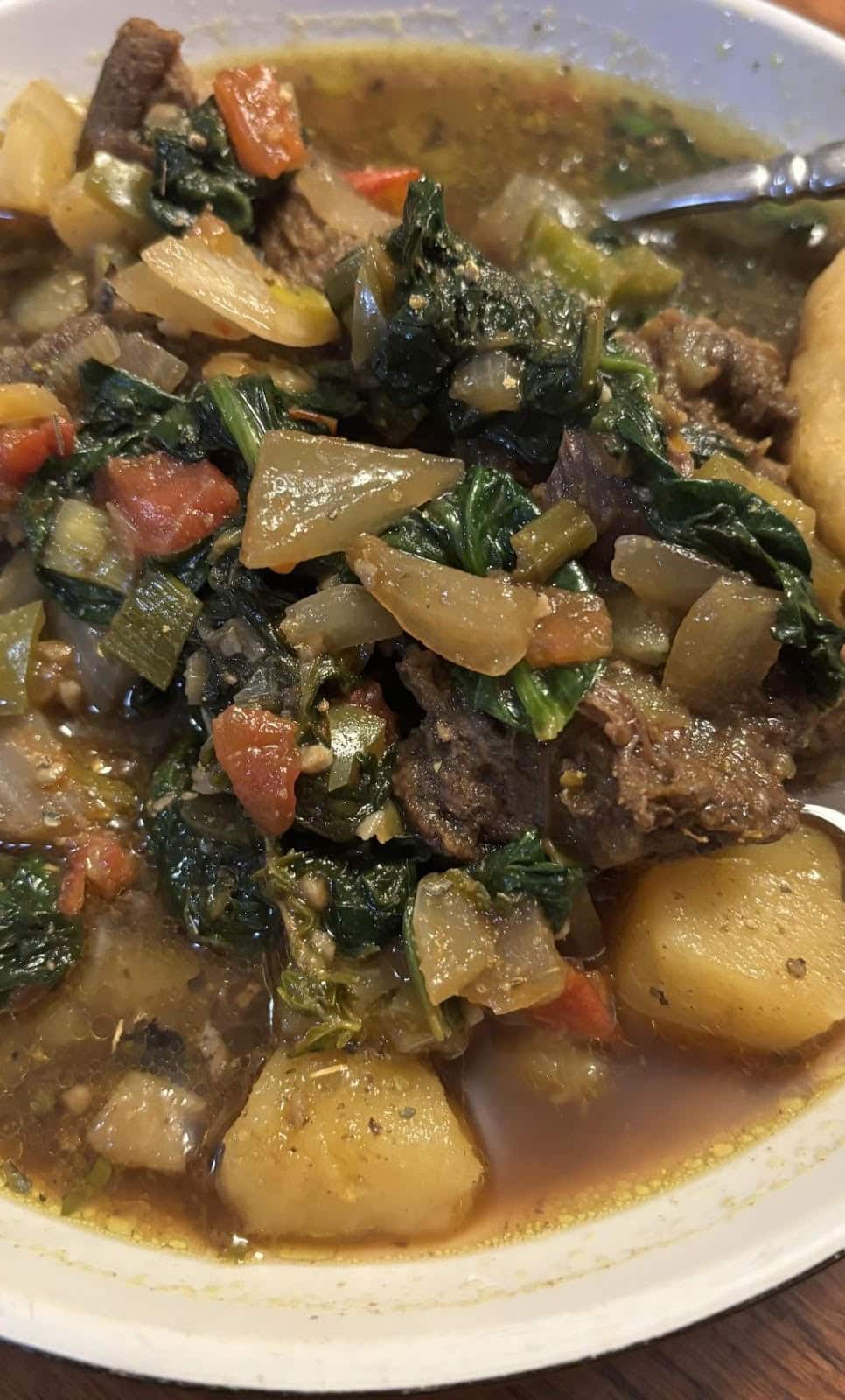
Deer shanks were the perfect substitute for goat in this traditional Jamaican curry dish. Photo courtesy Dr. Jenn Ballard.
Recent News
Arkansas Wildlife Weekly Fishing Report
Jul. 23, 2026
Greenwood Native Hampton Receives Monty Carmikle Award
Jul. 22, 2026
Subscribe to Our Weekly Newsletter E-mails
Don’t miss another issue. Sign up now to receive the AGFC Wildlife Weekly Newsletter in your mailbox every Wednesday afternoon (Waterfowl Reports are published weekly during waterfowl season and periodically outside the season). Fishing Reports arrive on Thursdays. Fill in the following fields and hit submit. Thanks, and welcome!