Don’t skip Stone Prairie for winter wildlife adventures
ON 02-09-2026
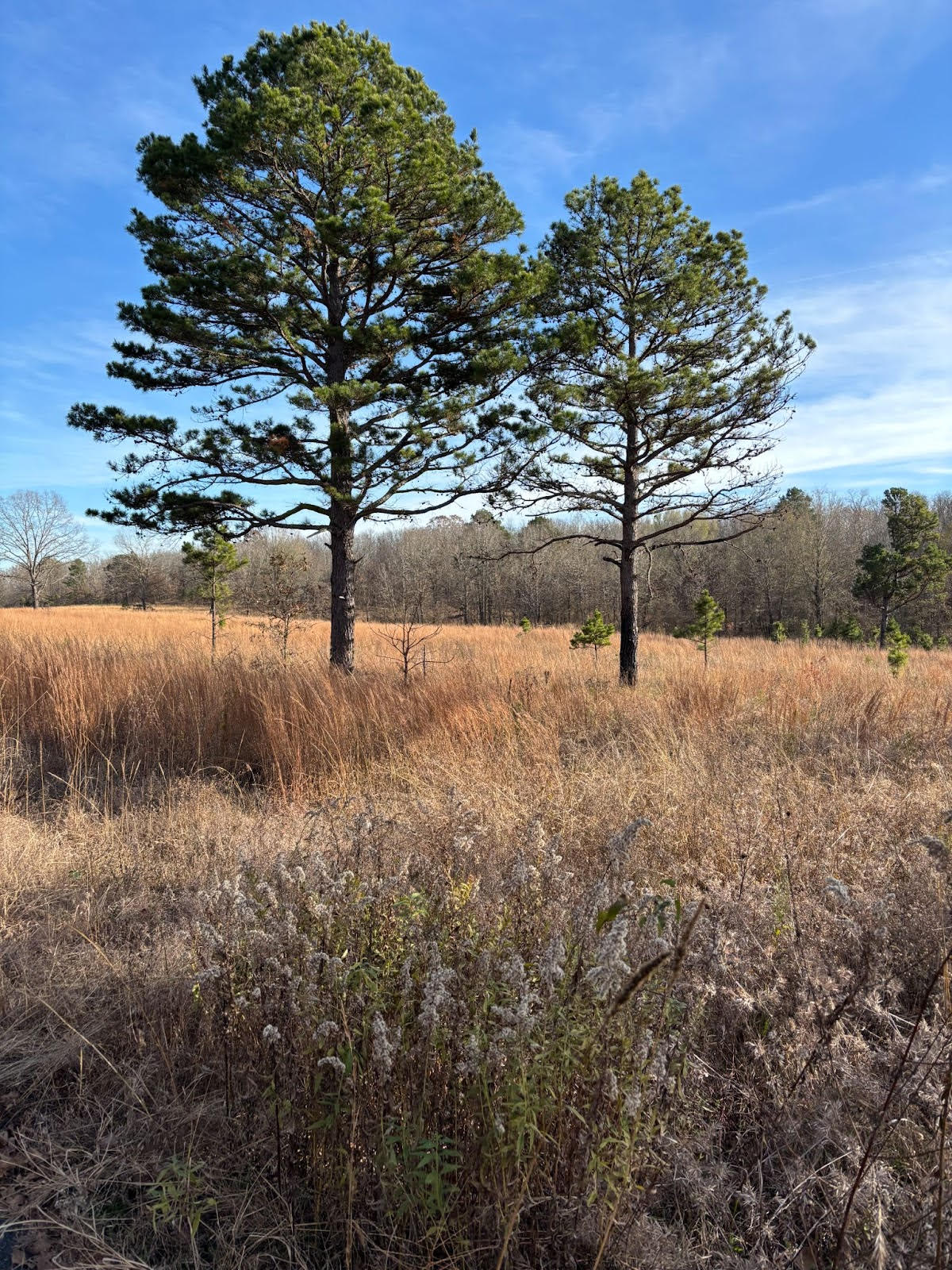
MAYFLOWER — A stroll through Stone Prairie Wildlife Management Area on a winter day is a delight. Grasses and other plants wear subdued winter hues – golden tans to silvery browns, with an occasional pop of green from a towering shortleaf pine tree.
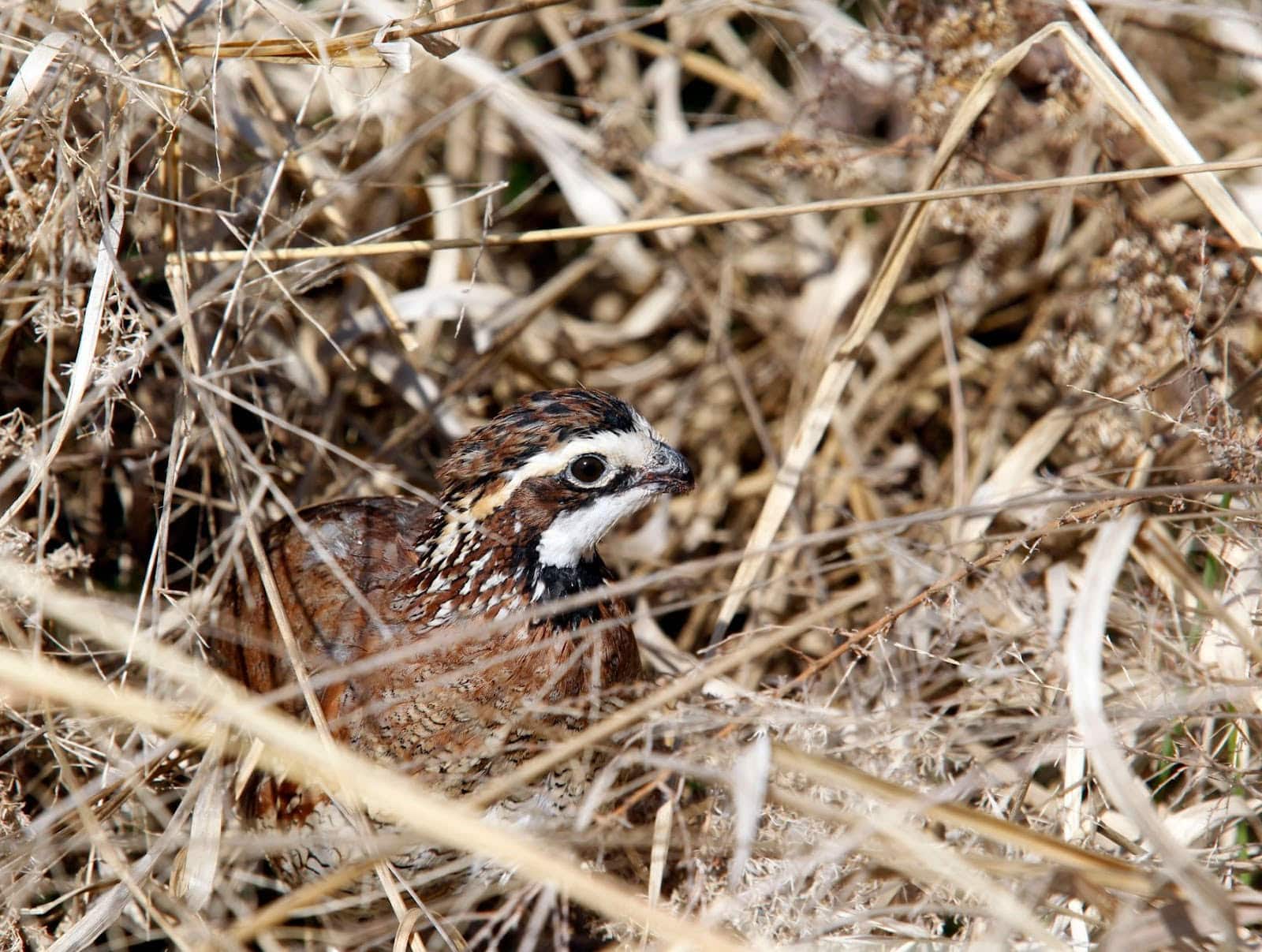
Northern bobwhite take center stage at Stone Prairie WMA, which might be news to the host of other birds and wildlife enjoying the area’s habitat. The AGFC bought the 989 acres in Faulkner County from The Nature Conservancy in 2017.
The small, ground-dwelling quail known for its zebra-striped head and iconic “bob-WHITE!” call once was prolific in The Natural State, but the species saw a steep decline in the 1980s, primarily from habitat loss.
“Northern bobwhite are the focal species of this property,” said Noah Wyatt, AGFC assistant regional supervisor. “This means that although many of our management practices benefit other species, bobwhites are the center of all management decisions.”
Seven miles of dirt, grass and gravel paths meander through the area for wildlife viewers who like to ramble. Roads are closed to vehicular traffic, and three small parking areas with trailhead signs point hikers on the right path. Strap on sturdy shoes and take off. Be on the lookout for management practices employed to restore bobwhite and their habitat – prescribed fire, invasive species removal and wildlife stand improvement.
“With wildlife stand improvement, we remove non-desirable tree species, which increases sunlight on the ground and health of remaining trees,” Wyatt said. “This allows more grass and forb species to grow in the woodlands and increases acorn production in remaining oaks. We like to say it ‘puts the groceries on the ground’ for wildlife, including northern bobwhite.”
A recent walk through Stone Prairie revealed some of the area’s winter residents by sight, sound and sign. Deer tracks appeared to dance along the crushed shale surface of South Trail, which also revealed the territorial scat of coyotes, chock full of persimmon seeds and cottontail fur.
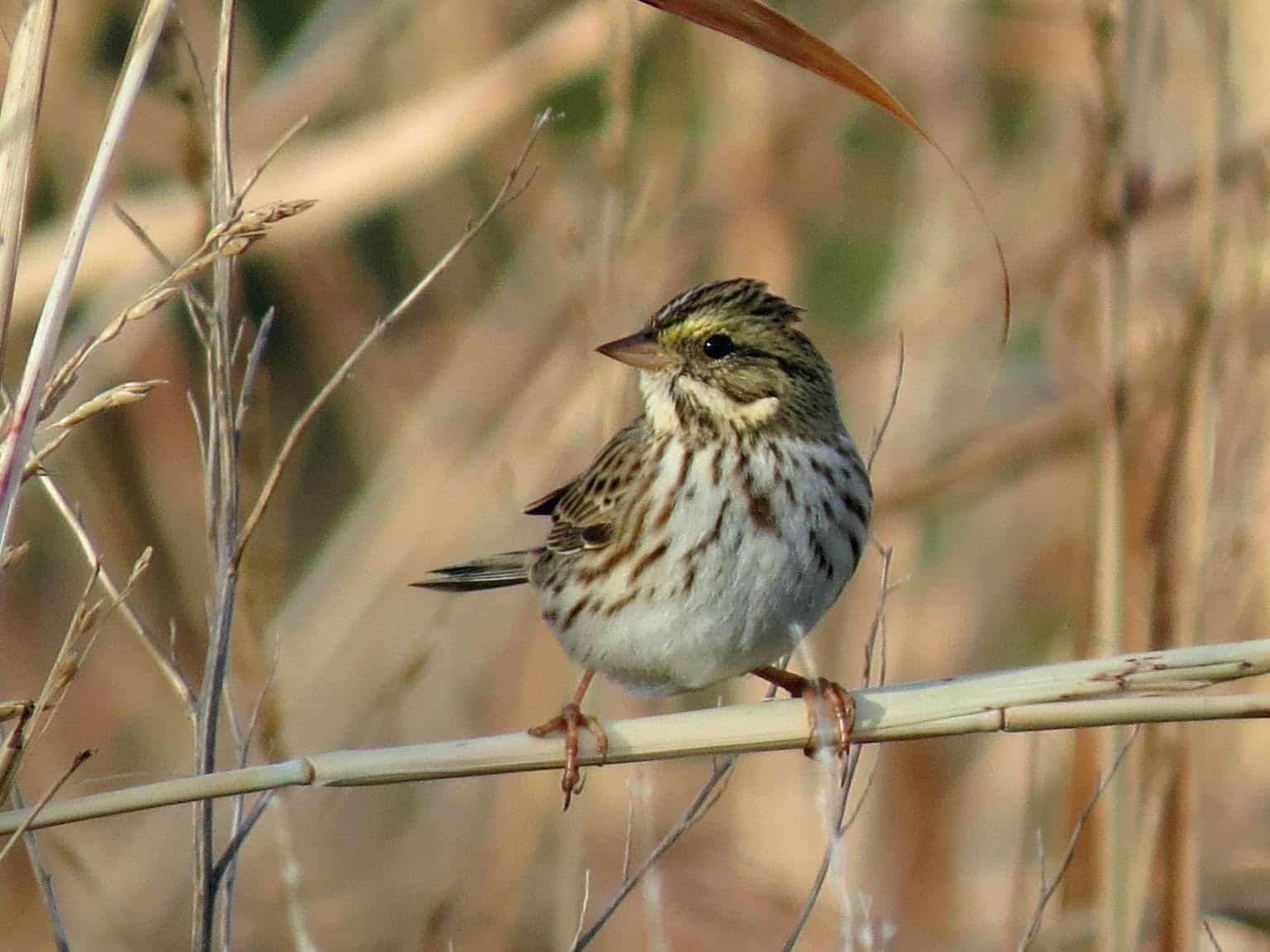
South Trail skirts between woodlands and grasslands, where dried seed heads beckon wintering sparrows decked out in their elegant but subtle coloration. For those LBBs or “Little Brown Birds” that are tough to spot as they dive into the dried, tall grasses, Cornell’s Merlin Bird ID App (https://www.allaboutbirds.
A soft, low-pitched call may reveal a male bluebird perched in an old, gnarly post oak along the woodland’s edge while woodpeckers are the name of the game on a trek up Fortner Ridge and Noah’s Arc trails: red-headed, downy and red-bellied woodpeckers as well as northern flickers foraging in trees and on the ground.
Several ponds dot Stone Prairie, and Pierce Creek runs through the property. Be prepared for wet crossings after heavy rainfall. Though there is no formal fisheries management, most of the ponds offer relaxing fishing opportunities. Many hunting opportunities await as well. Wyatt said deer and squirrel are popular game, and the area is in its second season of permitted quail hunts since the AGFC began habitat restoration work.
Visit agfc.com (https://www.agfc.com/things-
Be sure to come back to this little WMA in the spring as wildflowers awaken from their winter sleep and brightly colored songbirds – warblers, buntings and grosbeaks – arrive on the scene and brighten the landscape.
Visit www.agfc.com/watchablewildlife for more resources on enjoying the outdoors through wildlife hikes and outdoor photography.
####
CUTLINES:
STONE PRAIRIE GRASSLAND PINES
Prescribed fire and other grassland management techniques have created a treasure trove of annual grasses and wildflowers and promoted shortleaf pine trees at Stone Prairie WMA. AGFC photo by Kirsten Bartlow.
BOBWHITE
Northern bobwhites are the focal species of Stone Prairie WMA, but management for this species benefits many other grassland birds and pollinator species. AGFC photo by Mike Wintroath.
SAVANNAH SPARROW
The savannah sparrow is one of many “little brown birds” you’re likely to see at Stone Prairie WMA. USFWS photo by David Buckley.
Recent News


Subscribe to Our Weekly Newsletter E-mails
Don’t miss another issue. Sign up now to receive the AGFC Wildlife Weekly Newsletter in your mailbox every Wednesday afternoon (Waterfowl Reports are published weekly during waterfowl season and periodically outside the season). Fishing Reports arrive on Thursdays. Fill in the following fields and hit submit. Thanks, and welcome!