Bat Week Offers Fresh Look at Misunderstood Mammals
ON 10-23-2026
Bats naturally take center stage in Halloween lore, but these interesting animals are more than their spooky stereotypes; they are vital components of native habitats and agricultural economies.
Bat Week was organized in 2014 by Bat Conservation International, the U.S. Fish and Wildlife Service, the USDA Forest Service and many smaller grassroots organizations to highlight the critical role bats play and debunk myths surrounding these flying mammals. In addition to the obvious link to All Hallow’s Eve, the timing of bat week (held annually on Oct. 24-31) brings focus to bats at a time when most are feeding heavily to build fat reserves for winter dormancy.
Bats make up nearly 20 percent of all mammal species with an impressive 1,500 species recognized worldwide. All 16 species found in Arkansas feed on insects, and a single bat can eat up to its body weight in bugs each night. This voracious appetite helps control some insect populations that would otherwise damage agricultural crops or serve as vectors for disease. Many bats in other regions of the world also act as pollinators. In Mexico, for instance, bats are the primary pollinator for agave flowers.
Many bat populations are in steep decline. Of the 38 animal species listed as endangered in Arkansas, five are bats — including the gray, northern long-eared, little brown, Ozark big-eared and Indiana bat. The U.S. Fish and Wildlife Service recently proposed listing the tricolored bat as endangered as well.
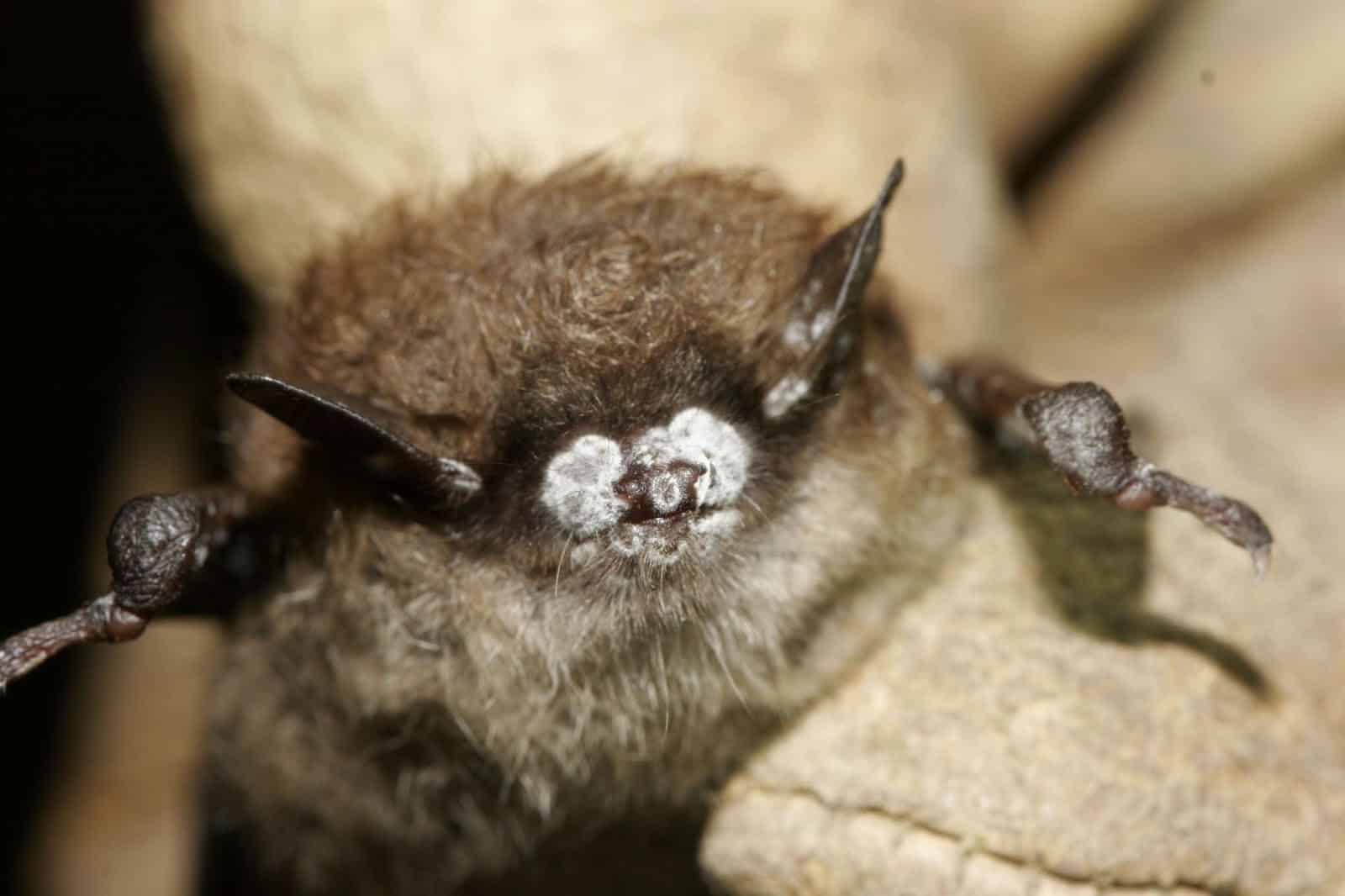
In addition to habitat destruction, a major cause of the crisis is white-nose syndrome, a devastating fungal disease first documented in a New York cave and detected in Arkansas in 2012. The fungus grows in cool, cave-like environments and grows on bats during their hibernation.
“The fungus damages tissues, which requires the bat to use energy healing itself and wakes infected bats more often than normal,” Blake Sasse, statewide nongame mammal program coordinator for the Arkansas Game and Fish Commission, said. “They use too much energy and are forced to be awake during winter when their food sources are scarce, starving them to death.”
The disease has decimated local populations. Studies in the Ouachita National Forest show a 98 percent drop in northern long-eared bats, while tricolored bat numbers have plummeted by 90 percent statewide.
Biologists believe the fungus originally arrived from Europe and Asia on the gear and clothing of cave explorers. Today, it has spread to at least 15 Arkansas counties. While there is no known cure, scientists worldwide are studying ways to control its spread.
Sasse says everyday citizens can follow a few simple rules to support local bats:
-
Practice Clean Caving: Anyone exploring caves or mines should follow strict cleaning protocols for clothes, shoes and gear to prevent spreading fungal spores. Detailed guidelines are available at whitenosesyndrome.org.
-
Provide Habitat: Landowners and homeowners can build and install bat houses to give species safe summer roosts. If you’re looking for a fun workshop to learn, check out the J.B. and Johnelle Hunt Family Nature Center in Springdale on the AGFC’s Events Page. There’s a bat house-building course there Oct. 31; seats are limited and filling up fast.
-
Spread Awareness: Take time during Bat Week to dispel common myths. Bats are the only mammals capable of true flight, possessing wings made of modified hand bones. They have good eyesight and use advanced echolocation to navigate and hunt. And despite urban legends, none of the three blood-consuming vampire bat species live in the United States.
Visit batweek.org to learn more about bat conservation.
Visit the AGFC’s YouTube Channel for a view of one of Sasse’s more interesting research methods involving bats and bridges in The Natural State.
####
CUTLINES
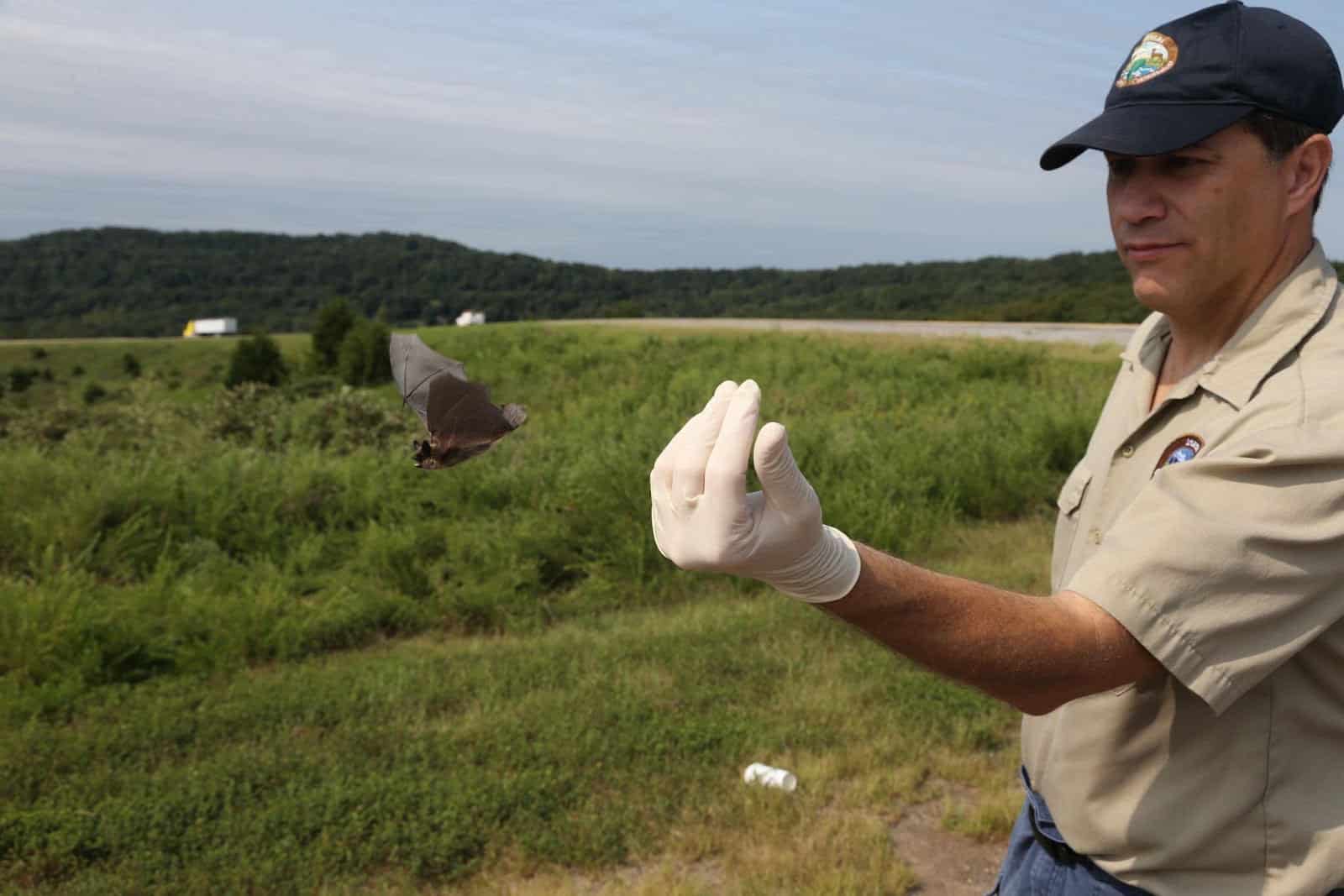
BAT RELEASE
Blake Sasse, AGFC nongame mammal program coordinator, releases a small-footed bat during his research in Arkansas. Click the photo for more information. AGFC photo.
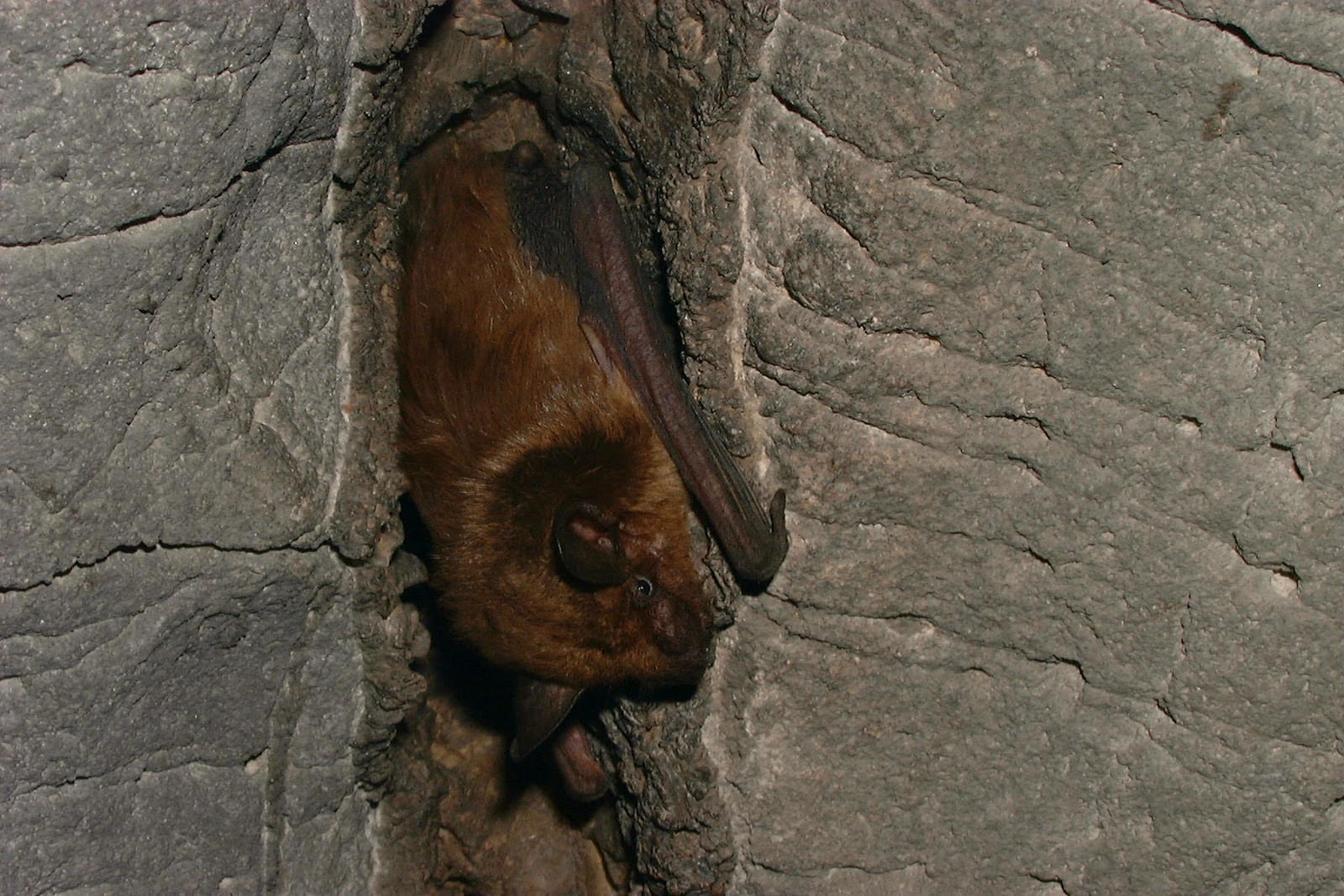
BAT IN CREVICE
Bats roost in small cracks in caves, bridges and even under loose bark of trees. Click the image for a video of research. AGFC photo.
WHITE NOSE SYNDROME
This little brown bat is suffering from White Nose Syndrome, a deadly disease killing entire colonies of bats throughout the continent. Photo by Ryan Von Linden/New York Department of Environmental Conservation.
Recent News
Arkansas Wildlife Weekly Fishing Report
Oct. 22, 2026
Lake Conway Renovation Update Planned for Nov. 2
Oct. 22, 2026
Subscribe to Our Weekly Newsletter E-mails
Don’t miss another issue. Sign up now to receive the AGFC Wildlife Weekly Newsletter in your mailbox every Wednesday afternoon (Waterfowl Reports are published weekly during waterfowl season and periodically outside the season). Fishing Reports arrive on Thursdays. Fill in the following fields and hit submit. Thanks, and welcome!