AGFC Private Lands Division announces second round of Conservation Incentive Program; $650,000 available for wildlife habitat enhancement
ON 01-07-2026
LITTLE ROCK — The Arkansas Game and Fish Commission is accepting applications from landowners until Feb. 6 to join the agency’s Conservation Incentive Program and be reimbursed for certain management practices that promote native wildlife habitat.
The initial Conservation Incentive Program, which launched in 2024, was hugely successful at promoting and developing wildlife habitat and invasive species management on private land. Thanks to $3.5 million in set aside funds from the 2023 Arkansas General Assembly, the agency was able to offer up to $10,000 to landowners who participated in one of nine practices that promoted water quality, fought feral hogs, established and maintained prescribed fire and managed bottomland hardwood forests to promote wetland conservation.
Thanks to a grant secured through the U.S. Forest Service earmarked for specific forestry applications, the AGFC has procured $650,000 to fund a second round of incentives to focus on three high-impact conservation practices. To further support large-scale restoration efforts, the commission has increased the maximum reimbursement cap to $20,000 per landowner.
“Private landowners are the backbone of conservation in Arkansas, as they own more than 80 percent of the state,” Garrick Dugger, chief of the AGFC Private Lands Habitat Division, said. “By focusing this round of funding on three specific, proven practices, we can move the needle on habitat quality for quail, turkey, deer and many other species Arkansans care about.”
Landowners can receive reimbursement for the costs associated with these three practices, ensuring that high-quality habitat work is both affordable and achievable. Unlike in the first round of CIP, which was fulfilled on a first-come, first-served basis, all applicants will be ranked and those chosen for the reimbursement will be notified before any work is done. All practices require a minimum of 10 acres of habitat manipulation for reimbursement.
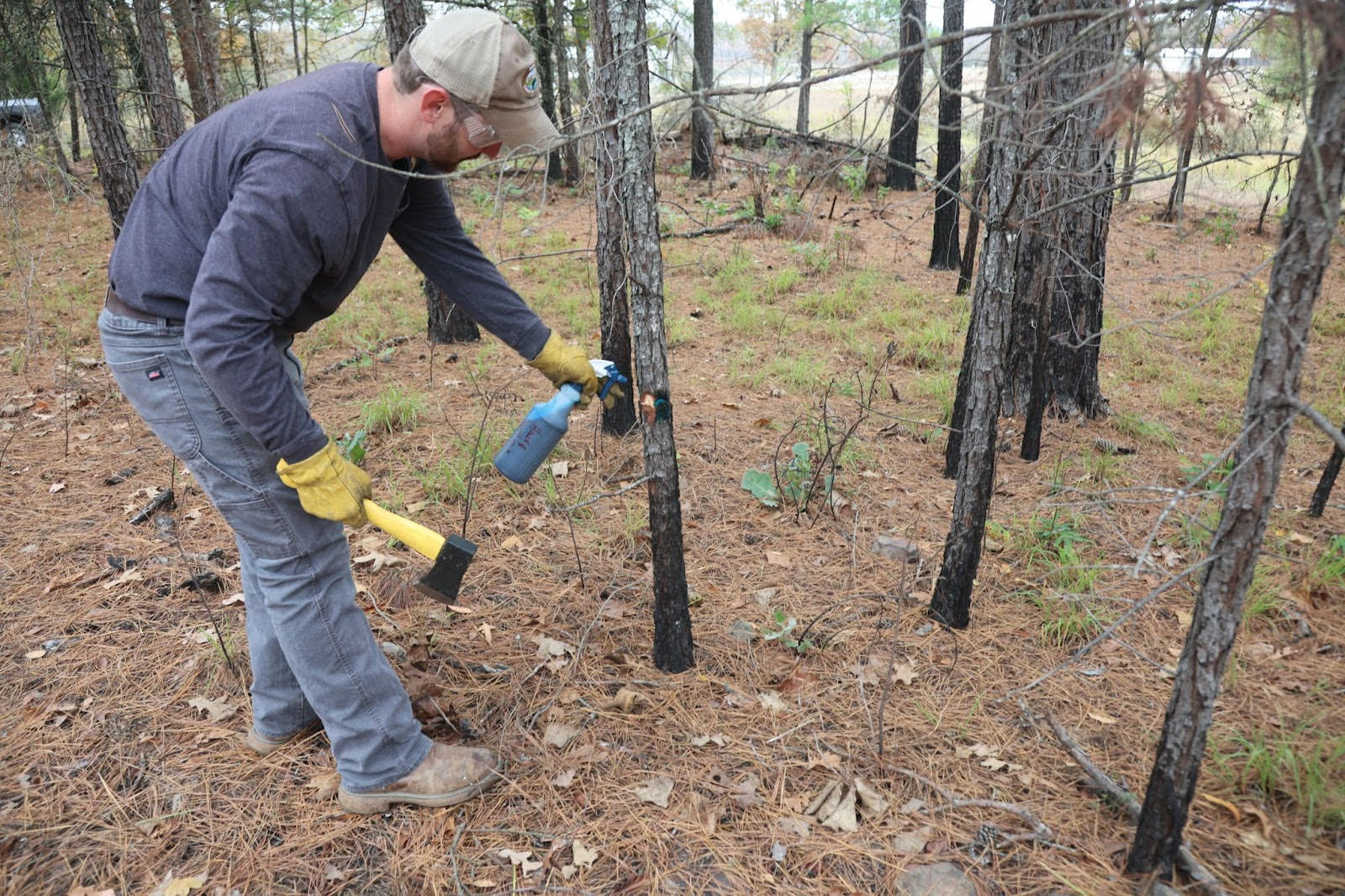
Upland hardwood and pine forest management: Landowners who qualify for this practice can receive $200 per acre reimbursement for recommended upland habitat management to promote understory plants and provide nesting and brood-rearing resources and increase available food. Treatment options include timber stand improvement using herbicides (hack and squirt), cut-and-drop or cut-stump methods.
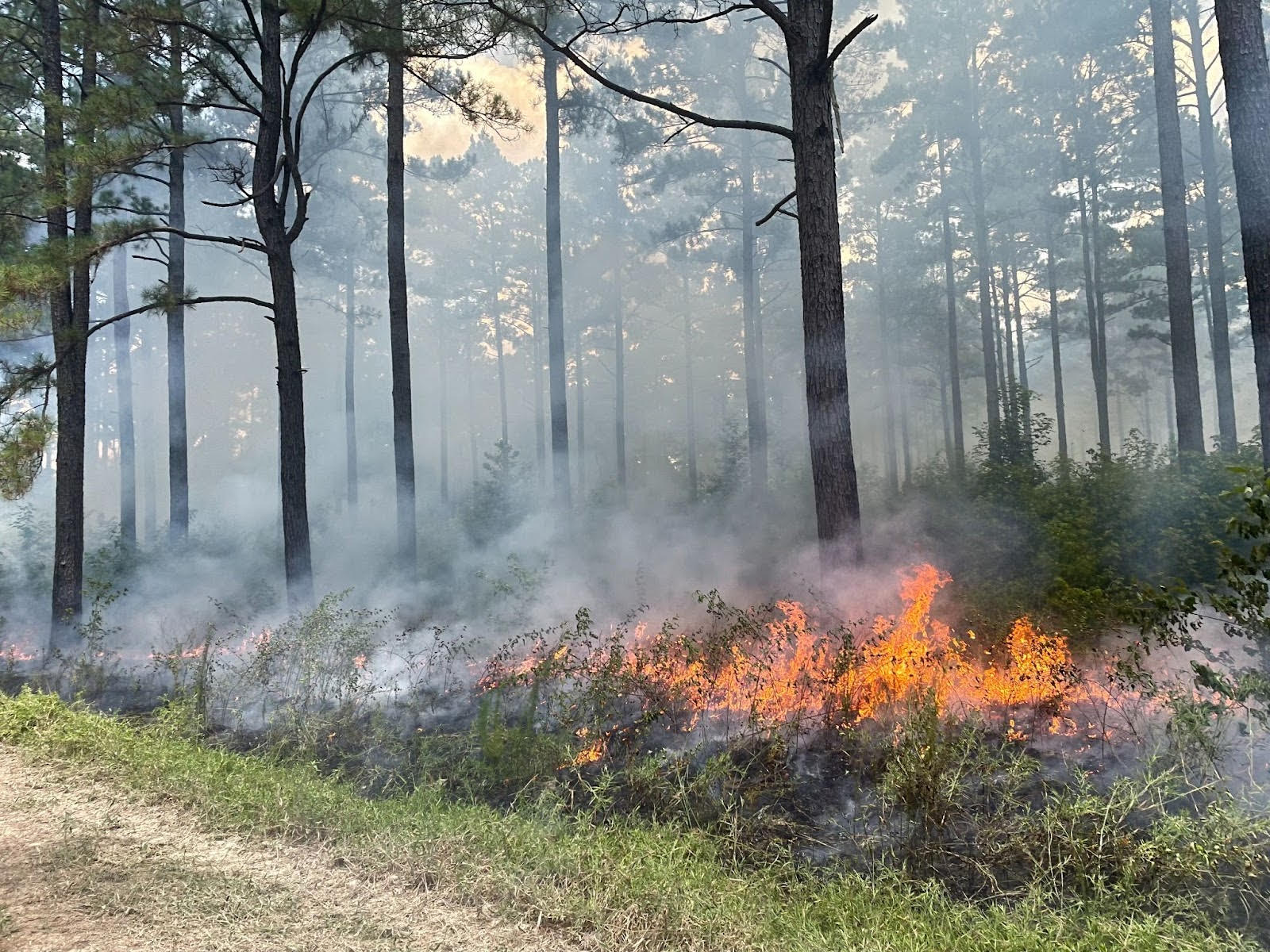
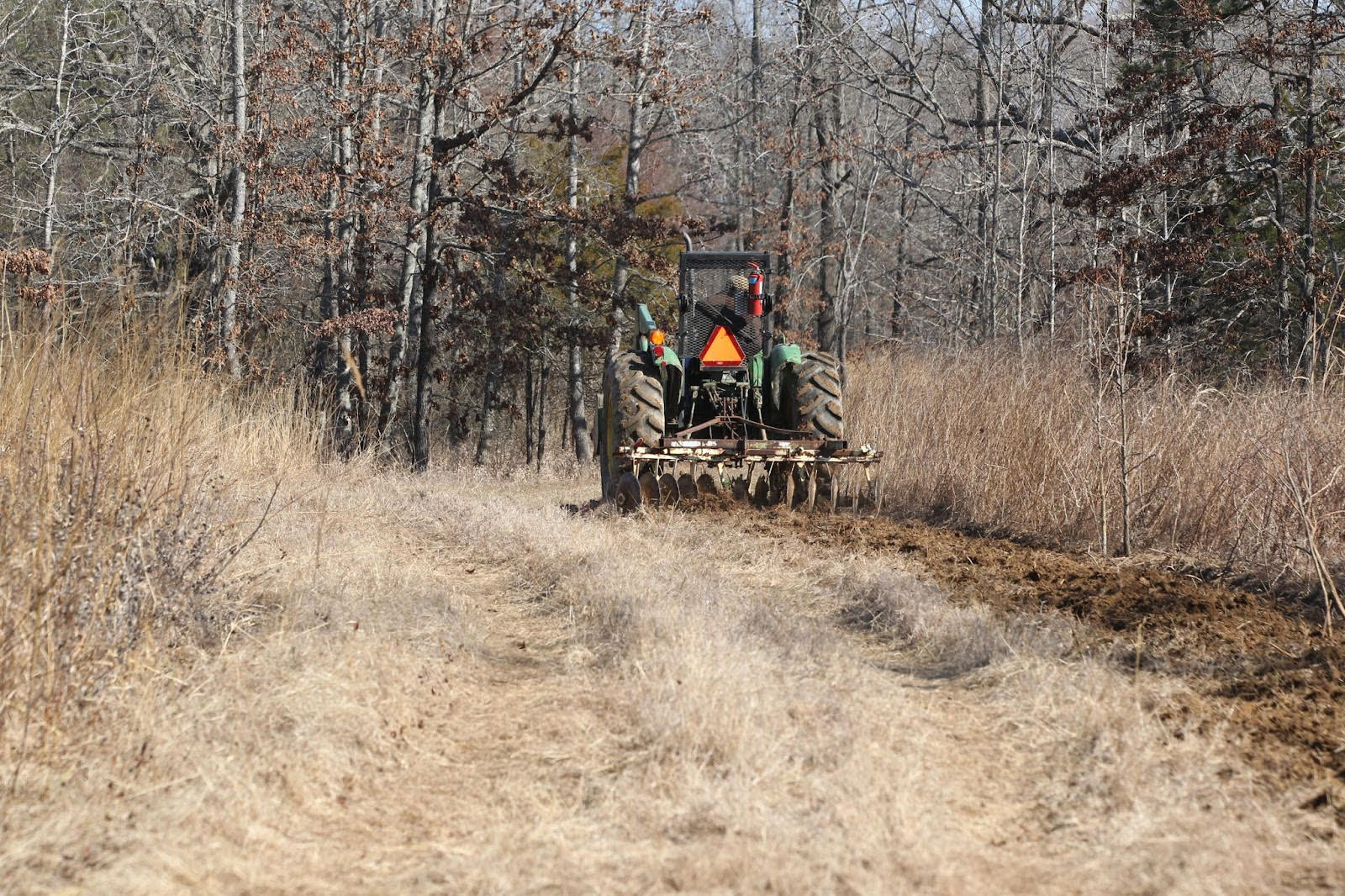
Firebreak establishment and prescribed burning: Landowners will be reimbursed for establishing and maintaining a matrix of prescribed fire on their property to increase native plant quality, quantity and vigor in forest, woodland, savanna and native grassland habitats. Burns of agricultural stubble or pastures/hay meadows with introduced grasses are not eligible. The AGFC will reimburse $1.50 per linear foot for dozer lines and $50 per acre for prescribed burning.
Invasive tree removal: The AGFC will reimburse landowners $200 per acre for the removal of non-native tree species, specifically Chinese Tallow, Tree of Heaven or Callery Pear. The removal process must be part of an approved management plan and must include the use of herbicide to restore the desired plant community.
Landowners interested in enhancing their property’s wildlife potential should visit www.agfc.com/education/
“Even if you don’t qualify for one of these specific practices, you can still reach out to one of our private lands habitat biologists to get a specialized management plan to best improve your property and fit your wildlife habitat goals,” Dugger said. “We are pursuing other funding avenues and hope to have more opportunities this summer and in future years. Getting on the list of interested landowners now keeps you in the loop for when money for those practices becomes available. Plus, our [biologists] can let you know about many other cost-share opportunities offered by other agencies to offset habitat management expenses. Our goal is to see landscape-level improvements across Arkansas, and we’re all on the same team.”
Visit www.agfc.com/privatelands for more information.
####
CUTLINES:
FIRE
The Arkansas Game and Fish Commission is accepting applications to reimburse landowners for approved practices like prescribed fire that help promote wildlife habitat. AGFC photo.
HACK
Removing invasive tree species and thinning dense forests to create more native forage for wildlife are both practices offered in the most recent round of Conservation Incentive Program payments. AGFC photo.
TRACTOR
Landowners can get reimbursed for fuel and equipment costs associated with creating new fire breaks to safely conduct prescribed burns. AGFC photo.
Recent News

Subscribe to Our Weekly Newsletter E-mails
Don’t miss another issue. Sign up now to receive the AGFC Wildlife Weekly Newsletter in your mailbox every Wednesday afternoon (Waterfowl Reports are published weekly during waterfowl season and periodically outside the season). Fishing Reports arrive on Thursdays. Fill in the following fields and hit submit. Thanks, and welcome!