Duck Numbers Similar to 2025, Waiting on Rain at Home
BY Jim Harris
ON 10-07-2026
Ask an Arkansas duck hunter about a mixed bag, and they’ll picture a strap filled with gadwall, teal and shovelers alongside their prized mallards and pintails. Heading into this fall, “mixed bag” better describes the mood.
Surveys in the Prairie Pothole Region, where most of Arkansas’s ducks are hatched, indicated fair habitat at the start of the breeding cycle. While improved habitat conditions offered a modest bump in optimism, hunters should still temper expectations. Arkansas is entering its 14th straight month of drought, leaving surface water low or nonexistent unless winter bucks early forecasts and delivers widespread relief.
Breeding habitat conditions improved slightly from last year, according to the U.S. Fish and Wildlife Service Waterfowl Breeding and Population Survey. This annual survey began decades ago to offer reliable comparisons in habitat conditions in Canada and the Prairie Pothole Region of the U.S. because the amount of temporary wetland habitat in these areas directly affects each year’s duck production.
The May pond count was estimated at 4.8 million, a good jump over a year ago (2025 was the lowest pond count since 2004), but also 9 percent below the long-term average.
“We’re obviously still a little below long-term average for the number of May ponds,” Brett Leach, the AGFC’s Waterfowl Program Coordinator, said. “We did at least see a little bit of an increase, but those increases are really due to habitat conditions improving from poor to fair.”
According to Leach, duck numbers were largely unchanged from last year, except for mallards, which declined by 11 percent from 2025.
“We are 26 percent below the long-term average now on mallards,” he noted. Mallards were estimated at 5.9 million, the lowest spring count in that region since 1993 and roughly half of the mallards estimated less than a decade ago.
Northern pintail, gadwall, American wigeon and green-winged teal estimates were also slightly down from last year’s count, but fell within the survey’s margin of error, making them statistically similar. Pintails remain 48 percent below their long-term average population, while the latter three species remain above their respective long-term averages. Shovelers, interestingly, were up 19 percent from last year, rising to 24 percent above their long-term average.
“While breeding duck populations other than mallards remain similar to last year, the improvements in breeding habitat in Prairie Canada may offer a boost in production, adding a few more total ducks to the fall flight over last year,” Leach said.
But waterfowl production is only one component of Arkansas hunting. Leach stresses that weather and available habitat across Arkansas’s landscape during winter play a critical role not only in how many birds remain in The Natural State during hunting season, but also in offering energy and nutrition for the ducks to continue their winter migration.
In recent years, it’s been dry — too dry for some — at least until mid-December. Last year, the dry conditions lingered into the new year. And, as discouraging as it sounds, the entirety of 2026, with the exception of a wet late spring, has remained dry. As Arkansas transitions from late summer — historically the driest segment of the year — recent National Weather Service forecasts offer very little in the way of immediate comfort for hunters waiting on rain.
The U.S. Drought Survey produced by the National Weather Service showed a map of drought conditions forecast through Nov. 30, and Arkansas was right in the middle of a large extended drought prediction drawn over Oklahoma, a sliver of Missouri and parts of north Texas. Meanwhile, the seasonal precipitation outlook from the same agency hints at more precipitation than normal in November-January. Perhaps enough of this predicted moisture will arrive to put some much-needed water on Arkansas’s landscape, but it’s not likely to happen soon. For now, water is unavailable to begin flooding much of the state’s traditionally flooded areas in late October through November.
####
CUTLINES:
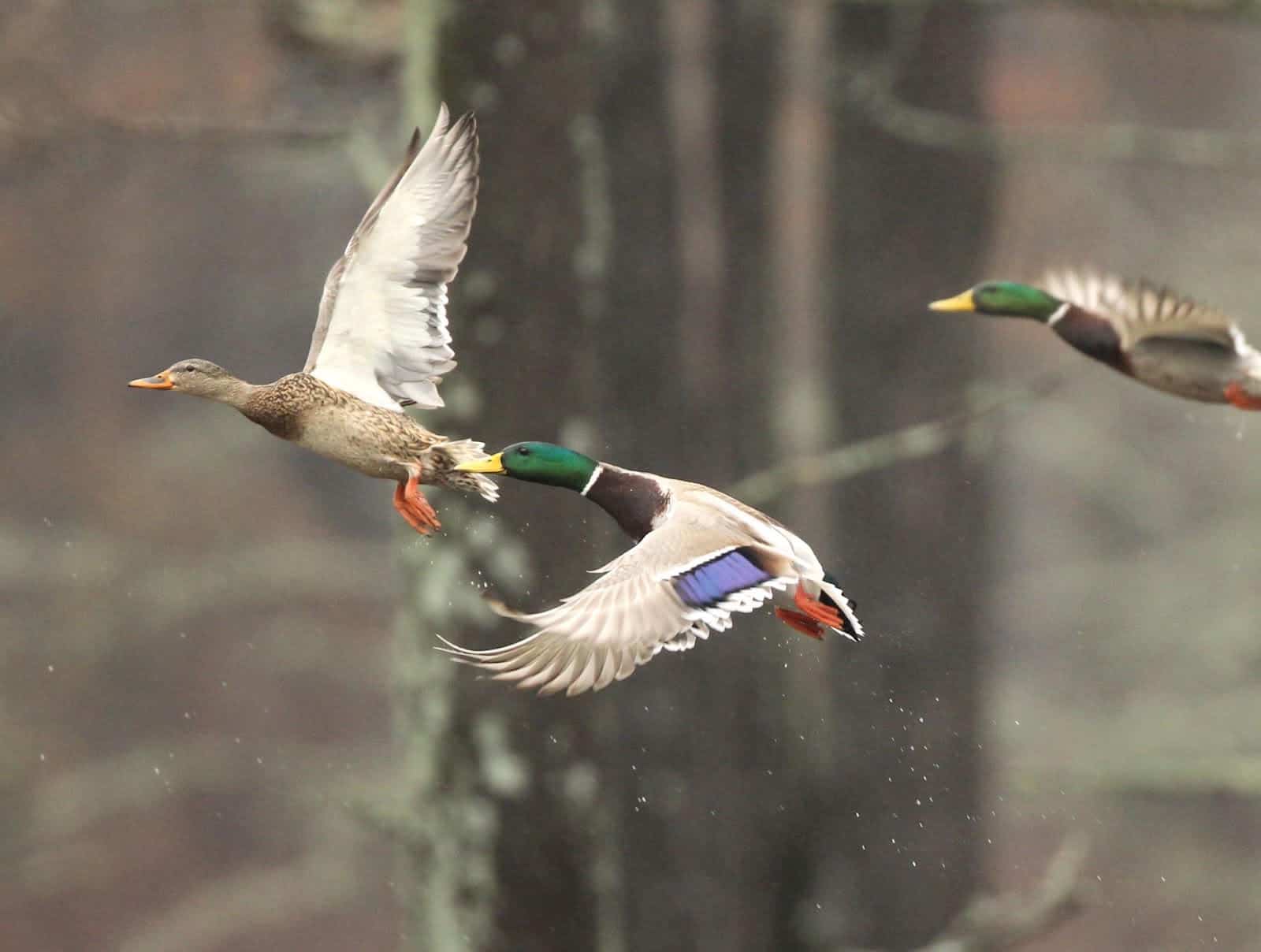
MALLARDS IN TIMBER
According to the U.S. Fish and Wildlife Service’s Waterfowl Breeding and Population Survey, mallard counts declined by 11 percent from last year and are roughly half what they were less than a decade ago. AGFC photo by Mike Wintroath.
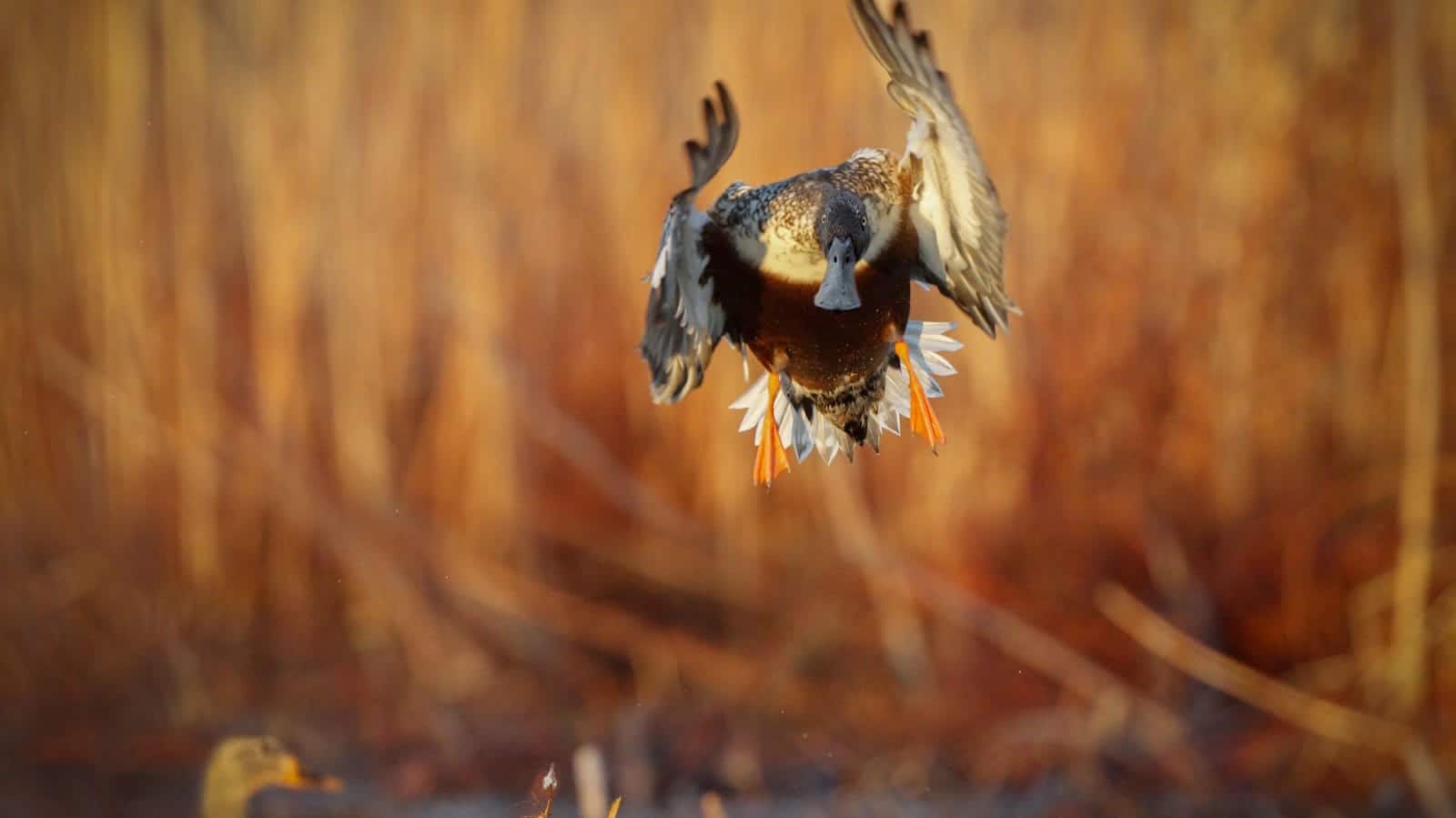
NORTHERN SHOVELER
Northern shovelers have seen an increase from last year and are now 24 percent above their long-term average population. AGFC photo by Mike Wintroath.
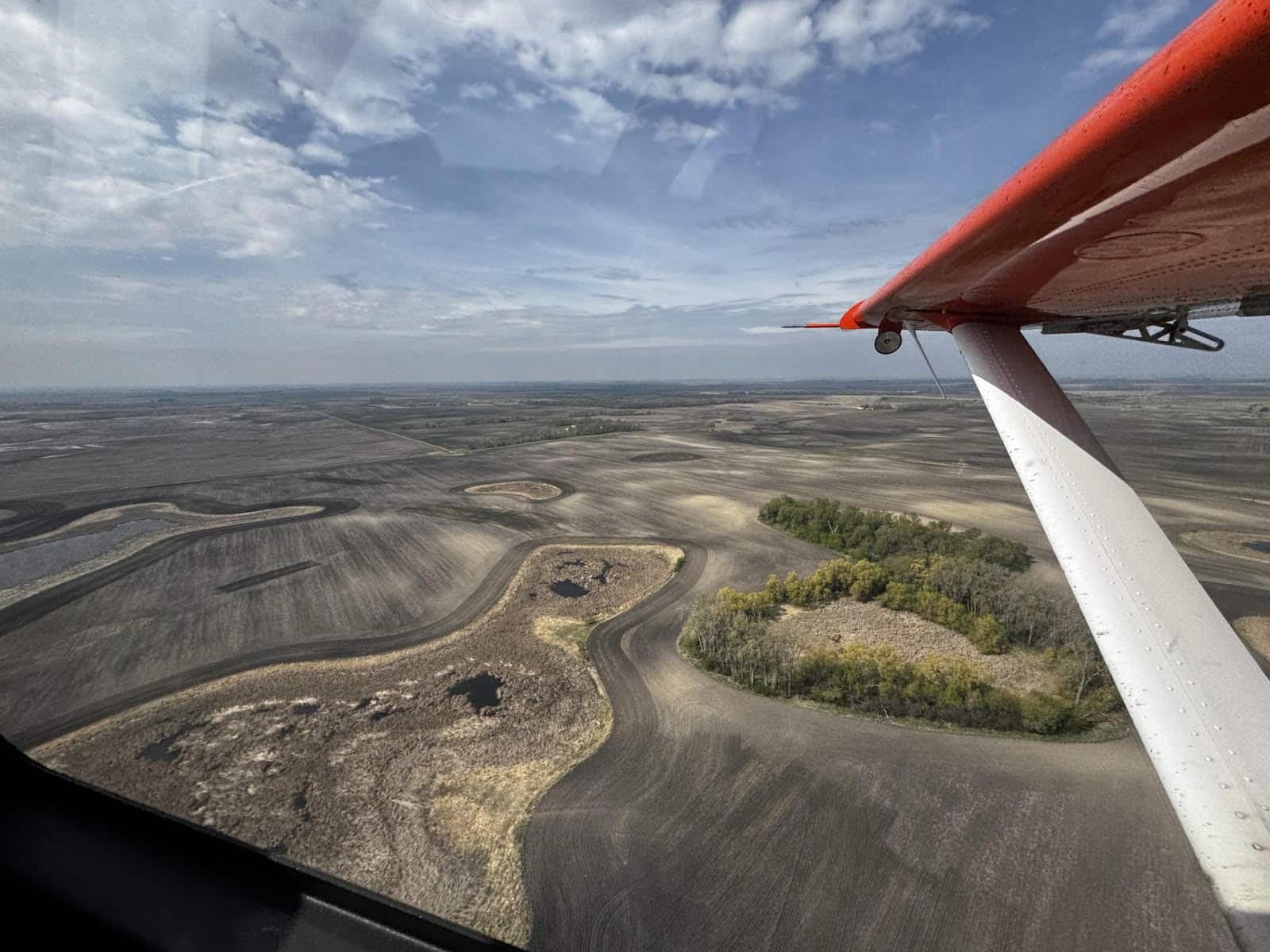
DRY AERIAL
This image from May during aerial surveys over Devils Lake in North Dakota illustrates the challenging conditions ducks face with tilled agricultural land surrounding the few wetlands available during drought. Photo credit Chris Cain/USFWS.
Recent News
AGFC Commissioner Meeting Announcement
Oct. 5, 2026
Subscribe to Our Weekly Newsletter E-mails
Don’t miss another issue. Sign up now to receive the AGFC Wildlife Weekly Newsletter in your mailbox every Wednesday afternoon (Waterfowl Reports are published weekly during waterfowl season and periodically outside the season). Fishing Reports arrive on Thursdays. Fill in the following fields and hit submit. Thanks, and welcome!